

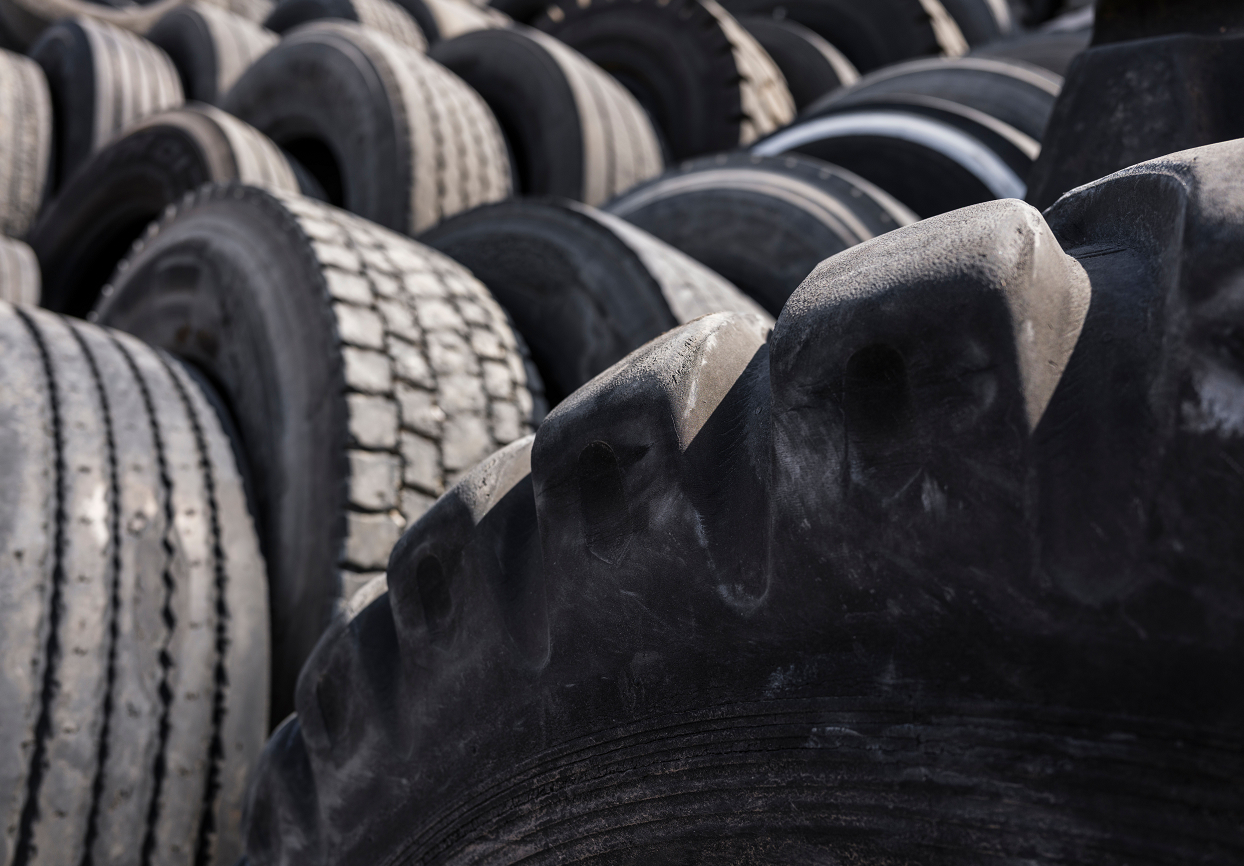
At a glance
- Mobile crane tyres are designed to support heavy machine weight and worksite stability, not freight transport.
- Reinforced sidewalls, strong casing construction and versatile tread patterns help crane tyres perform across both roads and worksites.
- Speed ratings and heat management are important because many mobile cranes travel between job sites.
- Choosing the right mobile crane tyre depends on the crane type, load requirements, operating surface and travel conditions.
A mobile crane and a standard truck may share the same roads, but their tyre requirements have very little in common. Once a crane reaches a worksite, it faces load conditions, ground surfaces and stability demands that standard truck tyres are simply not built for.
Unlike a truck built to move freight, a mobile crane needs tyres that support heavy machine weight, controlled movement, worksite stability and variable ground conditions. That makes mobile crane tyre selection far more complex than matching a size or comparing prices. The wrong specification can affect safety, handling, tyre life and overall equipment uptime.
The sections below cover what sets mobile crane tyres apart and what to weigh up when selecting a replacement.
Mobile Crane Tyres vs Standard Truck Tyres: A Quick Comparison
Before getting into the details, here is a short comparison of where mobile crane tyres and standard truck tyres differ:
| Comparison Point | Mobile Crane Tyres | Standard Truck Tyres |
| Main Purpose | Built for crane weight, lifting stability, site movement and controlled travel | Built mainly for road transport, freight movement and regular haulage |
| Load Demands | Must handle very heavy machine weights and crane-specific load requirements | Designed around truck axle loads, cargo weight and road use |
| Operating Surface | May need to perform on roads, yards, gravel, compacted sites and uneven ground | Usually designed for highways, regional roads or defined on/off-road transport routes |
| Stability Requirement | Stability is a major performance factor because cranes need controlled movement and support | Stability matters, but the tyre is not supporting lifting equipment in the same way |
| Construction Focus | Strong casing, reinforced sidewalls and high load capacity are especially important | Construction varies by steer, drive, trailer or mixed truck application |
| Selection Process | Chosen according to crane type, load, speed rating, terrain and application | Chosen according to truck position, route, payload and driving conditions |
How Mobile Crane Tyres Differ From Standard Truck Tyres
These differences come down to the distinct demands placed on each tyre: load intensity, stability needs and the environments in which they operate. Understanding them makes the selection process clearer and more confident.
Load Capacity Is Based on Crane Weight, Not Freight Payload
Standard commercial truck tyres are built around freight. They handle cargo transport, distribute axle loads and keep moving through loading and unloading cycles. Because cargo weight varies from trip to trip, the tyre is designed to accommodate that variability across multiple axle positions.
A mobile crane operates under higher structural and load-bearing demands. Much of its weight comes from the machine and counterweight, which the tyres carry even before any lifting begins. This is why the load rating has a direct bearing on crane performance and safety. The load index and specification must match the crane, not a freight payload, because an incorrect rating places the tyre under sustained stress it was not built to handle.
Read a related article on the differences between light truck tyres and commercial tyres.
Stability Matters During Slow, Controlled Crane Movement
Mobile cranes are generally driven at low speeds during site access and positioning. They navigate into position near work areas, cross yards and regularly operate across uneven ground. At low speeds, tyre stability directly affects how the machine handles and how predictably it responds during positioning.
Picture a crane being manoeuvred onto a tight construction site with soft ground on one side and a kerb on the other. The operator needs the tyres to maintain grip and hold steady throughout that process.
Standard truck tyres are built for stable handling at transport speeds on paved roads, not for the slow, precise positioning that crane operation demands.
Sidewall and Casing Strength Protect Against Site Damage
On a worksite, the sidewall is the most vulnerable part of a crane tyre. It sits closest to kerbs, loose stones and sharp edges, flexing under the crane’s weight through every slow turn. For that reason, mobile crane tyres are built with reinforced sidewalls that resist impact, cuts and the lateral pressure capable of scuffing or splitting a standard truck tyre.
Casing construction adds the next layer of protection. Many tyres for cranes use a bias or cross-ply casing, where the plies run at angles to the direction of travel, forming a strong structure that carries heavy loads and absorbs impact.
Radial casings are also used, mainly where road travel and cooler running are priorities. In each case, the casing choice is matched to the crane’s operating duty, and getting it right has a direct effect on reliability and uptime.
Tread Design Must Handle Both Road and Worksite Surfaces
A mobile crane often starts its day on a sealed road and finishes it on gravel, compacted dirt or a half-built site. Few tyres are expected to perform across such a wide range of surfaces, which is exactly where crane tyre tread design earns its specification. The pattern must stay effective as ground conditions shift, sometimes several times within a single job.
On a crane tyre, the tread is expected to:
- Grip on both sealed roads and loose, uneven worksite surfaces
- Clear mud, gravel and stones so that traction is not lost between sites
- Wear evenly despite the mix of surfaces it runs across
- Hold up under the crane’s weight rather than light vehicle loads
Truck tyres, by contrast, are selected for defined applications such as highway, regional, steer, drive or trailer use, with tread patterns engineered to match those conditions. A crane cannot rely on that kind of specialisation because its treads need to perform on the road and on the worksite within the same job. That dual demand is what drives the need for a more versatile tread pattern on crane tyres.
Speed and Heat Ratings Need to Match Crane Travel
Many mobile cranes drive themselves between jobs, sometimes over longer distances. This makes the tyre speed rating important not just for maximum speed, but for how the tyre handles heat, durability and safety during road travel.
A factor worth noting is that tyres suited to slow, controlled site movement may not handle sustained high-speed road travel as well. As speed and distance increase, heat builds up inside the tyre, which can degrade performance and shorten service life if the speed rating does not match the crane’s road travel demands. Matching the speed rating to real operating conditions helps ensure safe and reliable performance both on the road and on site.
Quick Tip: Always Check Tyre Markings Before Reordering
The sidewall markings show the tyre’s size, construction type and rating details, giving you a reliable reference before comparing replacements. That reference helps you avoid ordering a tyre that matches by appearance but not by specification or operating duty.
What to Consider Before Choosing Mobile Crane Tyres
With the key differences covered, the next step is to understand before making a selection. Many of these checks follow the same principles as any sound tyre purchase, which our guide to choosing the best truck tyres covers in more detail. The points below focus on what matters most for a mobile crane:
- Confirm the crane’s tyre size, load rating and manufacturer recommendations before comparing options.
- Consider where the crane is most often used, such as sealed roads, construction sites, yards, gravel surfaces or mixed conditions.
- Review how the crane travels between jobs, including whether it mainly stays on site or regularly moves between locations.
- Check existing tyre wear patterns, sidewall damage or recurring puncture issues, as these can show whether the current tyre is suited to the application.
- Speak with a reliable tyre supplier who understands mobile crane applications, rather than choosing based on price or tyre size alone.
What separates the two tyre types is the job they are built for. A mobile crane tyre must carry heavy machine weight, hold steady through slow positioning and survive rough worksites, while still managing the heat of road travel. A truck tyre is matched to freight movement and paved roads, so its construction reflects that more consistent, predictable task.
Selecting the right crane tyre goes beyond size. Machine configuration, load rating, operating environment, travel distance and speed capability all need to be weighed to ensure reliable performance.
If you are sourcing mobile crane tyres in Australia, Oceanic Direct can match the right option to your crane type and terrain. The range includes tyres from recognised brands such as Westlake, Goodride, Aeolus, Advance, Double Coin, Michelin and Bridgestone.
Get in touch today to explore the right tyre options.
FAQs
Can standard truck tyres be used on a mobile crane?
Generally, no. Mobile cranes carry significant machine weight and need tyres matched to their load rating, size and operating surface. A standard truck tyre is built around freight and road use, so it is unlikely to meet a crane’s specific demands. Always check the crane’s specifications and fit a tyre rated for the application.
How often should mobile crane tyres be inspected?
Inspect mobile crane tyres regularly, ideally before each job and as part of routine maintenance. Check pressure, tread depth and sidewalls for any visible damage, as worksite conditions can degrade tyres quickly.
What are the warning signs that a mobile crane tyre needs replacing?
Watch for worn or uneven tread, cracked or cut sidewalls, recurring punctures, bulges or constant pressure loss. Casing damage and signs of ageing also matter. If a tyre no longer supports the crane’s load or working surface, it is time to compare replacement options against the machine’s specifications.
Does Oceanic Direct supply wheels and rims for cranes, too?
Yes. Alongside mobile crane tyres, Oceanic Direct offers custom-made crane wheels and rims built to suit the machine. That includes fitment support for crane types such as Franna and Kato models. Because crane wheels differ from standard truck rims, both the wheel and tyre must be specified to suit the load requirements and operating application.
Related Stories
How to Choose the Right Tyres for Your Franna Pick & Carry Crane
At a glance Tyre size alone does not confirm the suitability of Franna pick & carry cranes. Inspect load and speed ratings to reflect both pick-and-carry work and regular road travel. Check creep data for ...
Related Posts