Buying new tyres for your vehicle – questions you need to ask

At a glance:

  • Choosing the right tyres is essential for ensuring the safety and performance of your vehicle.
  • Consult the manufacturer’s recommendations or a trusted mechanic for a compatible tyre with your vehicle’s make and model.
  • Whether you are a first-time tyre buyer or simply looking to upgrade your current set, read on to learn more.


Are you in the market for new tyres but feeling overwhelmed by the options available? Buying the right tyres can be a daunting task, but it is essential for ensuring the safety and performance of your vehicle. To make the process easier, there are several questions you should consider before making a purchase. We’ll discuss the important factors to take into account when purchasing new tyres in this blog article, giving you the knowledge you need to make an informed choice. So, whether you are a first-time tyre buyer or simply looking to upgrade your current set, read on to learn more.

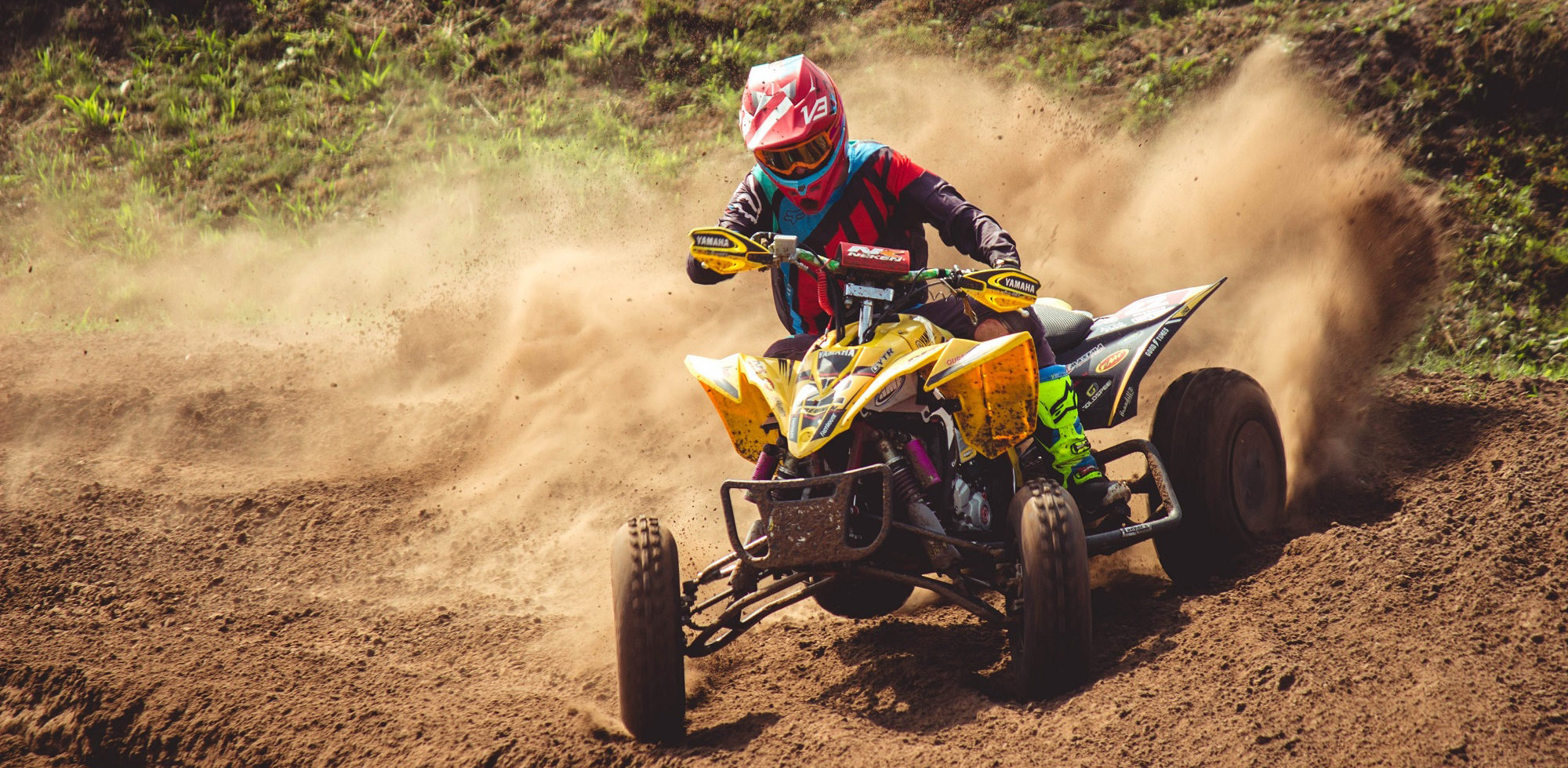
ATV tyres

How do I determine the correct air pressure for my ATV tyres, and what are the consequences of over-inflating or under-inflating them?

The most common tyre pressure is 5-6 psi. That suits the average rider, on an average ATV, on average terrain. However, to determine the correct air pressure for your ATV tyres, refer to your ATV owner’s manual or check the manufacturer’s recommended tyre pressure. The control, stability, traction, and even tyre failure that can result from over- or under-inflation of your ATV tyres.

Are there any safety considerations I should keep in mind when selecting ATV tyres, such as reducing the risk of skidding or improving handling on steep terrain?

Safety considerations when selecting ATV tyres include choosing tyres that are appropriate for the type of terrain you’ll be riding on, such as selecting a tyre with aggressive treads for off-road use. Additionally, it’s crucial for safety to choose tyres with the proper load capability and speed rating.

What is the difference between bias-ply and radial-ply ATV tyres?

While radial-ply ATV tyres have cords that run parallel to the direction of movement, bias-ply ATV tyres are built with layers of cord material that are crisscrossed. Bias-ply tyres are generally less expensive, but radial-ply tyres offer better handling, ride comfort, and heat resistance. Depending on your riding style and the terrain you’ll be navigating, one option may not be the best fit for your requirements.

What are the pros and cons of different types of ATV tyre styles/ tread patterns?

Pros and cons of different types of ATV tyre treads:

Trail Tread:

Pros:
  • Good for a wide variety of terrains, including dirt, gravel, and rocky trails.
  • Provides good stability and traction on hard-pack surfaces.
  • Can handle moderate mud and sand.
Cons:
  • Not as effective in deep mud or snow as other treads.
  • Can be loud and wear out faster on the pavement.

Mud Tread:

Pros:
  • Designed for muddy and swampy terrain, with deep treads to provide maximum traction.
  • Self-cleaning treads prevent mud build-up.
  • Can also handle well in sand and loose dirt.
Cons:
  • Not suitable for hard-pack or rocky surfaces.
  • Can be heavy and more difficult to steer on harder surfaces.
  • Can wear out faster on pavement.

Snow Tread:

Pros:
  • Specially designed for snow and icy conditions, with deep treads and unique siping patterns to provide traction on slippery surfaces.
  • Provides good floatation in deep snow.
Cons:
  • Not ideal for other types of terrain.
  • Can wear out quickly on hard-pack surfaces.
  • May not provide enough traction in extreme ice conditions.

Race Tread:

Pros:
  • Designed for high-speed racing on tracks and hard-pack surfaces.
  • Lightweight and provides excellent traction and handling at high speeds.
  • Good for sharp turns and acceleration.
Cons:
  • Not suitable for muddy, rocky, or loose terrain.
  • May wear out faster on rough terrain.
  • Can be noisy and uncomfortable on long rides.

How can I assess the wear and tear on my existing ATV tyres, and when should I consider replacing them?

Assessing wear and tear on existing ATV tyres:

  • Regularly check the tread depth because worn treads can decrease traction and raise the chance of an accident.
  • Inspect the sidewalls for any cuts or fractures that might point to structural damage or deterioration of the tyre.
  • If the tyres feel uneven or wobbly during riding, this may indicate uneven wear or other issues that require attention.

What are some common signs of ATV tyre damage or punctures, and how can I repair them if necessary?

Signs of ATV tyre damage or punctures:

  • Visible cuts, tears, or punctures on the tyre’s surface.
  • Loss of air pressure or changes in handling or stability during riding.
  • Unusual noises or vibrations while riding.

How do I properly store my ATV tyres when they are not in use, and what are some best practices for keeping them in good condition?

Properly storing ATV tyres:

  • Keep them in a cool, dry, and clean environment, away from direct sunlight or extreme temperatures.
  • Store them away from any sources of heat, such as heaters or engines.
  • If storing them for an extended period, consider removing them from the ATV and storing them upright or hanging them to prevent deformation

What kind of warranty or guarantee is available for ATV tyres, and what does it cover?

The terms and conditions of warranties can vary by manufacturer and seller, so it is important to read and understand them before purchasing. Warranties may cover defects in materials or workmanship but typically do not cover normal wear and tear, punctures, or damage caused by improper use or maintenance.

Are there any special considerations I should keep in mind when purchasing ATV tyres for use in specific climates or temperatures?

Some tyres are designed for use in specific conditions, such as snow or sand, and may perform poorly in other conditions. Consider the temperature range in which you will be riding and choose tyres that are rated for those conditions.

Quad Tyres

What size and type of tyre do I need for my quad bike, and how do I determine the right fitment?

The size and type of tyre required for your quad bike depend on various factors, such as the make and model of your vehicle, the type of terrain you’ll be riding on, and the weight of the rider and cargo. Consult the user manual for your quad bike or a qualified mechanic to ascertain the proper fitment.

What is the best type of tread pattern for quad bike tyres, and how does it affect performance on different terrains?

The best quad bike tyre tread pattern relies on the surface you’ll be riding on. For example, aggressive, deep-lugged tyres work best in muddy or sandy terrain, while shallow-lugged, widely spread tyres perform better on hard-packed surfaces.

What is the load capacity of quad bike tyres, and how does it impact the maximum weight you can carry?

The size and construction of quad bike tyres affect their load-carrying ability. To find out the most weight your quad bike tyres can safely carry, it’s critical to examine their load index rating. A quad bike that is overloaded may experience tyre failure, sloppy control, and diminished performance.

How often should you replace your quad bike tyres, and what is their expected lifespan?

Typically quad tyres last for 3-5 years. However, the use, maintenance, and storage of quad bike tyres all affect how long they will last. Regardless of mileage, you should generally change your quad bike tyres every three to four years. However, it is best to replace your tyres sooner if you detect signs of wear, cracking, or damage.

What are the top brands of quad bike tyres, and which ones are recommended for your specific needs?

In Australia, the leading manufacturers of quad bike tyres include Journey, Wanda, BKT, Kenda, Bushmate, Carlisle, and Maxxis. The right brand and model of tyres for your quad bike depend on your specific needs, such as the type of terrain you’ll be riding on and your riding style. Consult a professional mechanic or tyre specialist for expert advice on selecting the best quad bike tyres for your needs.

What are the key features to consider when selecting quad bike tyres, such as puncture resistance, durability, and grip?

Key characteristics to take into account when choosing quad bike tyres include puncture resilience, durability, grip, traction, and handling. Your unique requirements and riding style will determine the best combination of these features. For instance, if you plan to ride on rough territory, tyres that are durable, puncture-resistant, and have great traction are perfect.

How do you properly maintain and care for your quad bike tyres to ensure maximum longevity and performance?

The proper care and maintenance of your quad bike tyres are crucial to ensuring their optimum longevity and performance. This entails routinely checking them for wear, damage, or cracking, maintaining the recommended tyre pressure, cleaning them with mild soap and water on a regular basis, keeping them stored in a cool, dry location away from sunlight, and avoiding extended exposure to chemicals and oils.

What is the price range for quad bike tyres, and how much should you expect to spend for a quality set?

The name, size, and model all affect the quad bike tyre price range. A pair of high-quality quad bike tyres can cost anywhere between AUD 50 and AUD 300 or more per tyre. The best choice is to spend more money on high-quality tyres that are customised to your requirements and deliver the best performance.

Are there any safety considerations to keep in mind when purchasing new quad bike tyres, such as avoiding cheap or low-quality options?

Yes, when buying new quad bike tyres, there are a number of safety factors to bear in mind. First and foremost, it is crucial to refrain from purchasing inexpensive or inferior choices because these tyres might not have been produced in accordance with the necessary standards and could be dangerous. The performance and stability of the bike can be impacted by choosing tyres with a tread design that is appropriate for the terrain you will be riding on. Additionally, the load capacity of the tyres should match the weight of the rider and any cargo being carried.

Can you install new quad bike tyres yourself, or should you take your vehicle to a professional mechanic for installation and balancing?

It is typically advised to transport the vehicle to a qualified mechanic for installation and balancing when installing new quad-cycle tyres. This is due to the fact that fitting tyres can be a challenging task that calls for specialised tools and expertise. A poor installation can increase the chance of mishaps while also reducing stability and handling.  A professional mechanic will ensure that the tyres are correctly installed and balanced, which will help to maximise their lifespan and performance.

Truck Tyre

What size and load capacity truck tyres do I need for my vehicle, and how do I determine the right fitment?

The size and load capacity of truck tyres needed for a particular vehicle will depend on the vehicle’s weight, load capacity, and the terrain it will be driven on. It is important to check the vehicle’s manual or consult a tyre professional to determine the correct size and load capacity. Fitment refers to the tyre’s ability to fit properly on the wheel rim and to match the vehicle’s specifications.

What is the best type of tread pattern for truck tyres, and how does it affect performance on different types of roads?

The best type of tread pattern for truck tyres depends on the type of road or terrain the vehicle will be driven on. Tread patterns are designed to provide grip and traction on different surfaces, such as wet or dry roads, gravel or mud.

For example, highway terrain tyres typically have less aggressive tread patterns for better fuel efficiency and a smoother ride, while all-terrain or mud-terrain tyres have deeper tread patterns for improved off-road performance.

What is the expected lifespan of truck tyres, and how often should you replace them?

The expected lifespan of truck tyres can vary depending on the tyre’s brand, usage, and maintenance. It is important to check the tyre’s wear regularly and replace them when the tread depth reaches 3mm or less, or when there is visible damage such as cuts or bulges.

What are the top brands of truck tyres, and which ones are recommended for your specific needs?

There are many top brands of truck tyres, including Windforce, Windpower, Triangle, Bridgestone, Kumho, Goodride, and Michelin, among others. The recommended brand and type of tyre will depend on the vehicle’s usage and specific needs. It is important to consult a tyre professional for recommendations based on the vehicle’s load capacity, driving conditions, and performance requirements.

What are the key features to consider when selecting truck tyres, such as rolling resistance, fuel efficiency, and grip?

When selecting truck tyres, key features to consider include rolling resistance, fuel efficiency, grip, load capacity, and durability. Rolling resistance refers to the amount of energy needed to keep the tyres rolling, while fuel efficiency is the tyre’s ability to conserve fuel. Grip is the tyre’s ability to provide traction on different surfaces, while load capacity refers to the maximum weight the tyre can safely carry. Durability is also an important factor to consider, as it can affect the tyre’s lifespan and overall performance.

How do you properly maintain and care for your truck tyres to ensure maximum longevity and performance?

Proper maintenance and care for truck tyres can help to ensure maximum longevity and performance. This includes regularly checking the tyre’s pressure, alignment, and balance, as well as rotating the tyres every 10.000 – 15,000 km. It is also important to avoid overloading the vehicle and driving on rough terrain or in extreme weather conditions.

Are there any safety considerations to keep in mind when purchasing new truck tyres, such as ensuring they meet industry standards for load and speed ratings?

Yes, safety considerations are important when purchasing new truck tyres. It is important to ensure that the tyres you purchase meet industry standards for load and speed ratings. The load capacity of the tyre should match the weight of the vehicle and the load it will carry. The speed rating of the tyre should match the maximum speed of the vehicle.

How do different types of truck tyres, such as all-terrain, highway, and mud-terrain, differ in terms of performance and suitability for different applications?

The range of truck tyres includes many different types, sizes and tread patterns. This makes sense, as truck tyres can be used for many different applications! When choosing the right truck tyre, you should take several factors into consideration: will long distances be driven? Or will it be short distances? Is the road surface flat? Or do you often drive on off-road terrain? Below I will explain a few applications and show you the tyre that can be used!

Interstate / Linehaul transport

Driving long distances at high speeds is an important factor in this type of transport. You need a tyre that has high wear resistance and offers excellent driving performance.

Regional and local transport

A typical feature of tyres used in regional and local transport is that they regularly accelerate and decelerate. These tyres cover fewer miles than interstate transport, but they must be safe and optimised for medium-haul operating conditions.

Intensive construction site

There are also truck tyres used as construction tyres. These tyres are specially designed to perform well on many different types of surfaces, such as wet and very dry surfaces. Normally will have Cut & Chip Resistant compound and heavier ply ratings.

On- and Off-Road

Finally, we have the truck tyres that are specially designed for use as both on- and off-road tyres. These tyres must perform on both muddy and sandy terrain.

Can you install new truck tyres yourself, or should you take your vehicle to a professional mechanic for installation and balancing?

It is recommended to have a professional mechanic install and balance new truck tyres. While it is possible to install the tyres yourself, it is important to ensure that they are balanced properly to prevent uneven wear and other potential safety issues. Improperly installed or balanced tyres can cause vibrations, steering problems, and other issues that can affect the handling and safety of your vehicle.

Mobile Crane

What size and load capacity mobile crane tyres do I need for my vehicle, and how do I determine the right fitment?

A complex procedure such as determining the size and load capacity of mobile crane tyres should be done in consultation with a tyre specialist. It involves considering factors such as the weight of the crane and the maximum weight it will be lifting, as well as the size and type of the crane’s axles.

What are the key features to consider when selecting mobile crane tyres, such as durability, heat resistance, and grip?

When selecting mobile crane tyres, it’s important to consider features such as durability, heat resistance, and grip.

Durability is important due to the heavy loads that mobile cranes typically carry, while heat resistance is significant due to the high temperatures generated by friction when the crane is in use. Grip is also critical, as mobile cranes often operate in rough terrain or in difficult weather conditions.

What are the top brands of mobile crane tyres, and which ones are recommended for your specific needs?

There are several top brands of mobile crane tyres, including Westlake, Goodride, Aeolus, Advance, Double coin, Michelin, Bridgestone, among others.

How do you properly maintain and care for your mobile crane tyres to ensure maximum longevity and performance?

Proper maintenance and care such as regular inspections, cleaning, and rotating the tyres to ensure even wear are essential for maximising the lifespan and performance of mobile crane tyres.

What are the different types of mobile crane tyres, and how do they differ in terms of performance and suitability for different applications?

Mobile crane tyres are designed for different applications, including truck-mounted cranes, rough terrain cranes, carry deck cranes and gantry cranes. Truck-mounted crane tyres have a sturdy construction and an all-terrain tread pattern for urban and suburban use. Rough terrain crane tyres have large, deep treads for stability on challenging surfaces. Carry deck crane tyres are smaller and more agile, with solid construction and a flat, smooth tread pattern. Gantry crane tyres have a wide, flat tread pattern and high load rating for heavy loads in industrial applications.

What are the safety considerations to keep in mind when purchasing new mobile crane tyres?

Safety considerations when purchasing mobile crane tyres include ensuring they meet industry standards for load and speed ratings, as well as ensuring they are compatible with your crane’s specific axles and suspension system.

Can you install new mobile crane tyres yourself, or should you take your vehicle to a professional mechanic for installation?

Due to the complex and potentially dangerous nature of mobile cranes, it’s recommended to have new tyres installed by a professional mechanic with experience working on mobile cranes. This will help ensure proper fitment and installation.

What are some common issues or challenges that can arise with mobile crane tyres?

Common challenges with mobile crane tyres include wear and tear, overloading, inadequate inflation, improper storage, incompatible tyres, and uneven wear. Regular maintenance and inspections can help prevent these issues and ensure optimal performance and safety.

OTR

What are OTR tyres, and what types of vehicles or equipment are they typically used on?

Off-The-Road (OTR) tyres are designed for use on heavy-duty equipment and vehicles that operate in rough terrain, such as mines, quarries, construction sites, and ports. Some common vehicles and equipment that use OTR tyres include dump trucks, bulldozers, wheel loaders, and cranes.

What is the best type of tread pattern for OTR tyres, and how does it affect performance on different types of terrain?

The best tread pattern for OTR tyres depends on the specific application and terrain conditions. There are several different tread patterns available, such as ribbed, lug, and block patterns. Ribbed patterns are best suited for hard, smooth surfaces, while lug and block patterns provide better traction on soft, loose surfaces like mud or sand. Some OTR tyres also have directional treads that are designed for a specific forward or backward motion.

What is the expected lifespan of OTR tyres, and how often should you replace them?

The expected lifespan of OTR tyres varies depending on factors such as usage, load capacity, and maintenance. Generally, OTR tyres can last between 3,000 to 10,000 hours of operation or more. It’s recommended to regularly inspect OTR tyres for signs of wear and damage and replace them when the tread depth reaches a minimum safe level.

What are the top brands of OTR tyres, and which ones are recommended for your specific needs?

Some of the top brands of OTR tyres include, Aeolus, Windpower, Advance, Triangle, BKT, Bridgestone, Michelin, Henan among others The best brand and model for your specific needs depend on your equipment and the conditions you will be operating in.

What are the key features to consider when selecting OTR tyres?

When selecting OTR tyres, it’s important to consider factors such as load capacity, durability, traction, heat resistance, and puncture resistance. Load capacity refers to the amount of weight the tyre can safely support, while durability and puncture resistance are important for ensuring the tyre can withstand rough terrain conditions.

What are some common issues or challenges that can arise with OTR tyres, and how can you address them to maintain optimal performance and safety?

Common issues or challenges that can arise with OTR tyres include uneven wear, punctures, cuts, and damage from debris or harsh environments. Proper maintenance and care for OTR tyres include regularly inspecting them for signs of wear and damage, maintaining proper inflation levels, rotating tyres, and ensuring they are properly aligned. Keeping tyres clean and free from debris can also help prolong their lifespan. Suitable storage and maintenance can also help to extend the lifespan of OTR tyres and ensure maximum performance.

What is the price range for OTR tyres, and how much should you expect to spend for a quality set?

The price range for OTR tyres can vary depending on the brand, size, and specific application. Generally, OTR tyres are more expensive than passenger or light truck tyres and can range from a few hundred to several thousand dollars per tyre.

What are the safety considerations to keep in mind when purchasing new OTR tyres?

When purchasing new OTR tyres, it’s essential to ensure they meet industry standards for load and speed ratings. It’s also important to consider the specific application and terrain conditions to ensure the tyre can provide adequate traction and durability.

Can I install a new OTR tyre or take it to a professional mechanic for installation?

This typically requires specialised equipment and expertise. So, it’s recommended to have a professional mechanic handle the installation of OTR tyres to ensure proper fitment and performance.
Choosing the best OTR tyre tread pattern for your vehicle’s performance

At a glance:

  • Choosing the right OTR tyre is crucial to enhance job efficiency and productivity in construction and mining sites.
  • You should make some necessary considerations to select the suitable tyre tread for your vehicle and enhance its shelf life.


OTR (off-the-road) tyres are used in some of the toughest conditions on earth, such as mining or construction sites. The OTR tyre tread pattern has a significant impact on the performance of your vehicle in such harsh conditions and affects your ability to finish the job efficiently and effectively.

There are different types of tread patterns designed for specific applications. While selecting an OTR tyre for your vehicle, it is important to buy one with an optimised tread for the driving conditions it will counter. By doing so, you can ensure a good return on your tyre investment, along with improved machine efficiency and productivity.

In this blog post, we look at the common OTR tyre tread patterns, their applications, septs to choose the right tread for specific needs and ways to improve their shelf life.


Types of OTR Tyre Tread Patterns

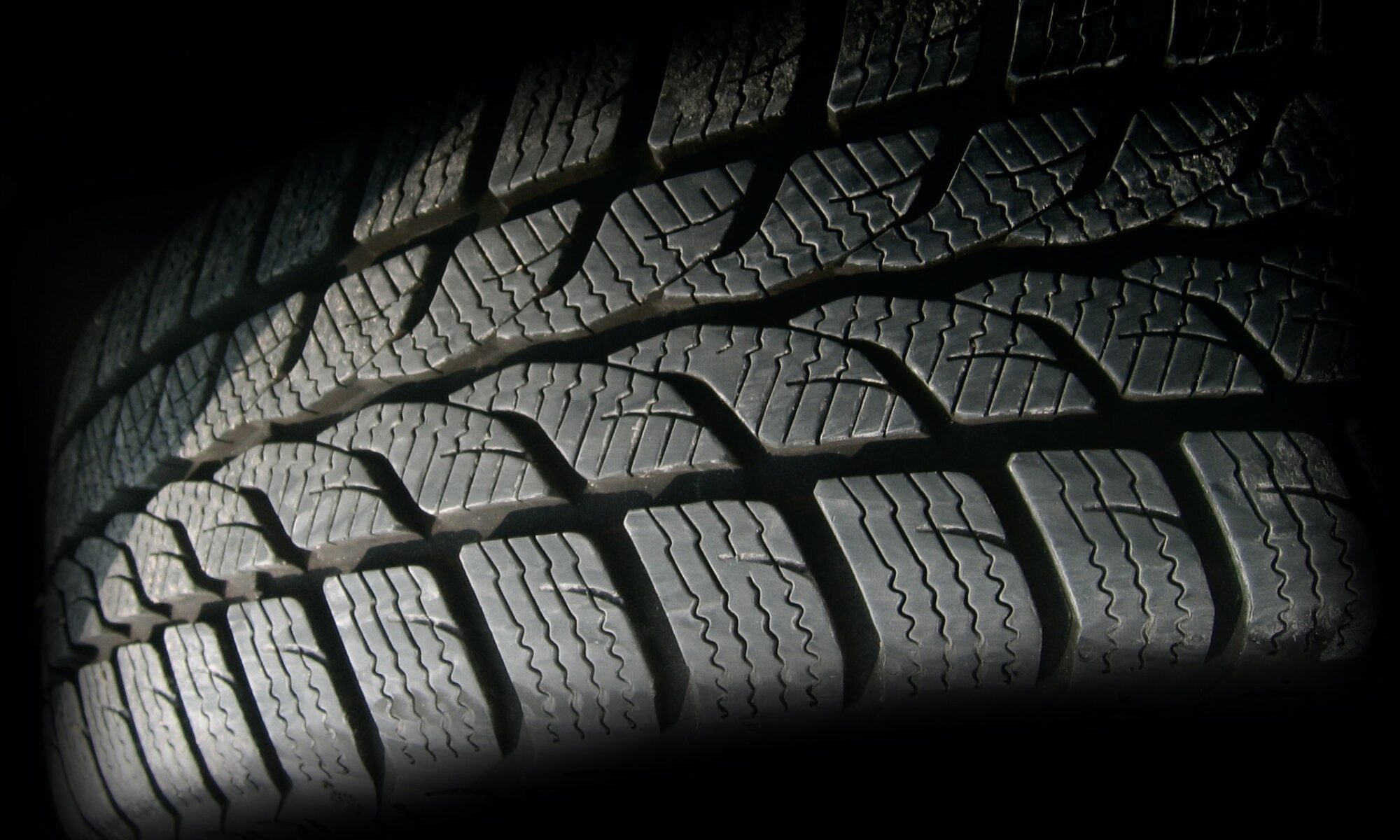
OTR tyre tread patterns are designed for heavy-duty vehicles used in mining, construction, and other off-road applications. These tyres have robust construction and high load-bearing capacity and offer excellent traction in harsh driving conditions. There are different types of OTR tyre tread patterns, each with a distinct design and function.


Rock Tread Pattern

This is the most common tread pattern for OTR tyres designed for craggy conditions. In this tread pattern, lugs are arranged in S or Z-shaped sinuous lines in the tread area. They have an aggressive tread design with deep grooves and reinforced sidewalls to resist damage.

Advantages: The rock tread pattern provides excellent traction on rocky surfaces and superior resistance to cuts and tears.

Limitations: Reduced performance on soft and loose surfaces like sand and mud.

Examples of Applications: Mining trucks, earthmovers, graders, and loaders.


Block Tread Pattern

Block tread patterns consist of large, solid blocks on the tread surface. These blocks or lugs are designed to provide excellent traction and grip on uneven surfaces, such as sand, mud, and rocks. Block tread patterns are available in two orientations, directional and non-directional.

Advantages: Block tread pattern offers high traction and good stability on hard and soft surfaces and is resistant to cuts and punctures. They are excellent for applications on abrasive surfaces like concrete or asphalt that quickly grind away other tyre patterns.

Limitations: Reduced ride comfort, higher noise levels, and limited high-speed capabilities.

Examples of Applications: Earthmovers and loaders.


Rib Tread Pattern

Rib tread patterns feature continuous, circumferential ribs along the tyre’s surface. As ribs (the raised section of the tread area) have a continuous design, the tread blocks run independently across the entire tread area. This tread pattern provides stability and good steering on hard-packed industrial sites.

Advantages: Excellent road stability, improved steering precision, and low rolling resistance. The low rolling resistance results in good fuel efficiency.

Limitations: Limited traction on loose or soft surfaces and reduced performance in muddy and wet driving conditions.

Examples of Applications: Finish grades and industrial tractors.


Smooth Tread Pattern

Smooth tread patterns do not have actual tread patterns and so are called smooth tread patterns. They lack grooves on the tread area and are designed for equipment used in working conditions where traction is the least of concern. While the circumferential tread section is smooth, grooves are found scarcely on the shoulder of the tyre to provide resistance against wear and tear.

Advantages: Reduced rolling resistance, high wear and cut resistant, durability, and reduced noise levels.

Limitations: Poor traction on wet surfaces and limited performance on rough terrains.

Examples of Applications: Compactors, rollers, loaders, and dozers.


Factors Affecting OTR Tyre Performance


Terrain and Weather Conditions

Different terrains such as mud, sand, and rocks impact tyre performance. Tread patterns should be selected accordingly to match the road conditions.

Wet or slippery surfaces, such as icy conditions or rain-soaked roads, affect traction and handling. Choosing the right tread pattern will ensure an accurate grip on wet and slippery surfaces.


Load Capacity

OTR tyres, like any other tyre, have a maximum load-bearing capacity. Exceeding the load capacity can result in increased wear, premature tyre failure, increased fuel consumption, and reduced performance.

Proper inflation pressure and tyre selection based on the vehicle’s loading conditions are important to maintain optional tyre performance.


Vehicle Type and Purpose

Different types of vehicles, such as mining trucks, compactors, cranes, or front loaders, have specific tyre requirements. Tyres should be chosen based on the vehicle’s purpose, expected operating conditions, and axle configuration.


Speed and Distance Travelled

The speed at which a vehicle operates affects the tyre’s performance. Higher speeds generate more heat, leading to excessive tyre wear and puncture.

The distance travelled impacts tyre durability and lifespan. Continuous use and frequent long-distance use without proper tyre inspection and maintenance can increase tyre damage.


Choosing the Best OTR Tyre Tread Pattern

When selecting the best OTR tyre tread pattern for your vehicle, it is crucial to follow a systematic approach and consider various factors. Here are some steps you need to take when choosing the optimal tread pattern to match your preferences:


Assess the Application and Terrain

Understand the specific application and terrain in which the OTR tyre will be used. Consider factors like the type of surface, the presence of obstacles, and the severity of the terrain.

Identify the primary conditions the tyre will encounter, such as off-road, highway, or both.


Evaluate Traction Requirements

Determine the level of traction needed for the application. If you use the tyre on a soft or loose surface, a tyre with aggressive blocks is suitable. For hard-packed or craggy surfaces, a rib pattern OTR tyre is appropriate.

Consider whether you need the tyre to perform well in wet and slippery conditions. Specific tread patterns are designed to excel in specific driving conditions.


Analyse Durability and Resistance

Assess the durability and resistance features of tyres required for the application. For this, you should consider factors like cut and puncture resistance, abrasive surface resistance, sidewall protection, and resistance to wear and tear in harsh conditions.


Seek Manufacturer Recommendations

Consult with the tyre manufacturer’s recommendations and guidelines specific to the intended application. Manufacturers provide detailed information about which tread patterns are suitable for specific driving conditions.


Implementing the Best OTR Tyre Tread Pattern

When implementing the best OTR tyre tread pattern, there are several steps to follow to ensure proper installation and successful implementation.


Consult with Experts

Seek advice from OTR tyre experts and professionals who have experience in selecting and installing tyres for specific applications.

Engage with tyre manufacturers or suppliers who can provide guidance and recommendations based on your specific needs.


Evaluate Vehicle Compatibility

Ensure that the selected OTR tyre tread pattern is compatible with the vehicle’s specifications, including load capacity and axle configurations.

Consider any limitations or recommendations from the vehicle manufacturer regarding tyre selection.


Proper Tyre Sizing

Verify that the chosen tread pattern is available in the correct tyre size for your vehicle. Refer to the manufacturer’s specifications and guidelines for selecting the appropriate tyre size.


Check Tyre Pressure

Marinating proper tyre inflation pressure as specified by the tyre manufacturer and vehicle manufacturer.

Regularly monitor and adjust tyre pressure to ensure it is within the recommended range to ensure vehicle stability, fuel efficiency, and optimal performance.


Maintenance and Lifespan of OTR Tyres

The lifespan of a tyre depends on various factors, such as application, terrain, and maintenance practice. Maintenance plays a key role in ensuring the longevity and optimal performance of OTR tyres. Here are some key maintenance requirements for your OTR tyres:


Regular Inspection

Conduct a visual inspection of your tyres to check for signs of damage or excessive wear. Look for cuts, sidewall damages, punctures, and signs of foreign objects on the tyre.


Load Capacity and Overloading

Overloading can result in excessive stress on tyres, leading to wear or premature tyre damage. So, adhering to load capacity and avoiding overloading is important to keep tyres safe for longer use. Always ride under load capacity limits specified by the tyre manufacturer.


Proper Inflation

Maintain the recommended tyre pressure specified by the manufacturer. Improper inflation can lead to uneven wear, reduced tyre life, and compromised vehicle performance.


Wheel Alignment

Misalignment can result in uneven tyre wear, leading to premature tyre damage and reduced lifespan. So, it is important to ensure proper wheel alignment to avoid uneven tyre wear.


Routine Tyre Rotation

Rotating tyres periodically will ensure even tread wear across all positions. This will improve tyre life and maintain consistent performance across all positions.


Storage

Proper tyre storage ensures a longer shelf life of tyres. Store your tyres in a cool, dry, and well-ventilated place, away from abrasive chemicals. Improper storage deteriorates the tyre rubber and reduces the lifespan of your tyres.


Conclusion

In conclusion, selecting the best OTR tyre tread pattern is crucial for ensuring optimal performance and longevity of the tyres. The tread pattern affects the tyre’s stability, handling, and traction characteristics across all driving conditions.

Different tread patterns are available for specific applications. Each tread pattern has its advantages and limitations. Rock tread patterns provide excellent driving features in craggy conditions, block patterns provide excellent traction in rugged off-road conditions, rib patterns offer stability and fuel efficiency on well-maintained roads, and smooth patterns provide reduced rolling efficiency and high wear-cut resistance.

While selecting the right tread pattern for your OTR tyre, you should consider factors like terrain conditions, load capacity, vehicle type and purpose, and frequency of use. These factors impact the tyre’s performance, and it is important to understand their impact on the tyre to find the best match for your specific needs.


What causes uneven tyre wear and how can you avoid it?

At a glance:

  • Fitting your vehicle with the right tyres is essential
  • Causes of uneven tyre wear
  • Ways to avoid uneven tyre wear

Regardless of whether they are used on or off road, tyres experience all kinds of stresses. But what causes excessive or uneven tyre wear? Does it mainly come down to driver error or lack of maintenance, or does it have more to do with external factors?

Check your tyres at the earliest opportunity in case you notice that they are wearing out faster than they normally do or if they appear to be wearing at a really alarming rate. Excessive wear occurs for several reasons, including incorrect wheel alignment, faulty suspension, worn steering, and braking problems.

Also, when looking to buy tyres online for an upgrade or replacement, it is paramount that you buy tyres that fit your vehicle; whether you need truck tyres, ATV tyres, quad bike tyres or crane & OTR tyres. In doing so, the vehicle will be in proper balance and alignment and faulty suspensions, worn steering, braking problems and uneven tyre wear are minimized.

Causes of Uneven Tyre Wear Improper Wheel Alignment

A tyre alignment or wheel alignment refers to the process of adjusting a vehicle’s steering and suspension components. In addition to the tyres and wheels, this also adjusts the angles of the tyres on the road in accordance with the vehicle manufacturer’s specifications (camber, toe, and caster).

Incorrect Tyre Pressure

If a tyre isn’t inflated correctly, it will wear faster and unevenly. Various factors affect vehicle performance, safety, comfort, handling, and fuel economy, including tyre pressure.

A correctly inflated tyre optimizes vehicle load distribution, acceleration, braking, and cornering forces. A tyre with a low or high pressure will not have the optimal contact area for the task at hand. Due to this, different parts of the tyre tread may wear away more quickly.

Poor Driving Habits

Uneven tyre wear can easily be caused by driving habits such as sharp corners, hitting the kerb, spinning the wheels, and excessive braking. Consequently, potholes are a major concern as they have the potential to affect your alignment and cause premature wear on your tyres.

How can you avoid uneven tyre wear

The best ways to prevent tyre wear are by maintaining correct tyre pressures for the load and speed conditions and driving smoothly and carefully. Avoid hard braking, hard cornering, and violent acceleration.

During acceleration and braking, the rubber is removed from the treads of the tyres until a flat patch is left.

Since weight is transferred to the outside wheels, hard cornering puts more strain on the tyres, particularly the shoulder treads. Even slight increases in cornering speed increase tread wear.

Checking your tyres tread is the best way to ensure they’re in good condition; and the best part is it doesn’t take long. Whenever you need new tyres for your vehicle, visit Oceanic Direct to get high-quality tyres from the leading brands fitted to your vehicle, and remain safe on the road, safeguarding you and your family.

The Art of Buying Quality Yet Affordable Truck Tyres Online In Australia

Tyres can be singled out as one of the most essential parts of a truck. Tyres have a direct impact on the handling, acceleration, and breaking of a vehicle.

So, when you are in need of new truck tyres, how do you find the best one on the market? You cannot solely depend on someone else to help, especially when you are buying truck tyres online. You must know how to get the best tyres for your truck at an affordable price.

Buying truck tyres online has many benefits. Online shopping saves time and usually money plus you can gauge all of the options available to you at once.

This is also extra helpful during a time when some parts of Australia are still under restrictions and cannot leave their houses for a range of activities.


Truck Tyres
Never skimp on the quality of your tyres, they are one of the most important parts of any vehicle. Credit: pixabay.com


Here are some tips that will help you buy quality yet affordable truck tyres online in Australia:

Check Your Owner’s Manual

When you first buy a vehicle, you will have an owner’s manual which will tell you about your truck and its parts. It will give you the basic knowledge of what kind of truck tyres you need, before you start looking online.

Assessing your vehicles condition is also equally as important. If you put a new set of tyres on a misaligned vehicle, the new set of tyres will wear quickly and unevenly, and you will have to invest in another set of tyres sooner than planned.

Choose Tyres Online For Your Truck

When you are buying anything online, research is the key. You have to find the right tyre online according to the truck you have. There are many companies available who sell truck tyres in Australia, and you have to do your homework on which tyres match your needs.

There are different types of tyres available according to the terrain you ride on, so make sure you lookout for the precise set of tyres for your truck. All the attributes of a truck tyre play an important role in enhancing the performance of your drive.

Find Trustworthy Seller

Once you start browsing, you will see hundreds of sellers who are selling truck tyres. So, who can you trust? It can be challenging, but the best way to find trustworthy sellers is going through their website, checking reviews and contacting them.

Talking about trustworthy tyre sellers, the only name that comes to my mind is Oceanic Direct. They are specialists in made-to-order steel wheels and rims, and they commit to providing the highest quality product at an affordable price. Also, you can deal directly with the owner/operator, not just a sales representative.

With more than thirty years of experience, as an importer, wholesaler, and retailer in the Australian wheel, tyre, and associated accessories market, Oceanic Direct has become one of the leading tyre suppliers in Australia. They offer a substantial range of high-quality four-wheel drive, truck and trailer tyres in Australia.

If you are willing to buy high-quality yet affordable truck tyres in Australia, get in touch with Oceanic Direct.

Essential Tyre Safety Checklist for Your Next Road Trip

Tyre

With over 30-year experience as an importer, wholesaler, and retailer of wheels and tyres in Australia, we at Oceanic Direct know how quality tyres and wheels play a crucial role in providing you and your vehicle with a safe drive.

A well-maintained vehicle is a key to proper safety during travel. It reduces the chance of a vehicle failure or potential hazards, but the most crucial part of the vehicle is mostly ignored during a safety check – that is the tyres.

People often wait for a yearly service to check their tyre condition, which is not a good habit. I can understand if you have paid for a good premium quality tyre that has years of warranty, it is supposed to run smoothly at least during the warranty period.

However, various factors determine the life/durability of tyre, the way you drive, landscape, weather, and many more.

A well-maintained tyre improves vehicle safety and vehicle fuel economy. Imagine getting a flat tire when you are away from home and there is no workshop nearby, now what? I don’t think anyone of us wants to be in such a situation. So, don’t forget to keep your tyres on your regular maintenance checklist.

Now the question is, how can you make sure your vehicle’s tyres are safe and are good to go for the next comfortable drive?

Don’t worry; over the last three decades, we have seen many problems faced by all when they are travelling, came up with this simple safety checklist to minimise hazards.

You can never be too careful with your tyres, when travelling long distances. Credit: Lee Atkinson via Traveller

With the help of this checklist, you can always be sure about the tyre condition and make your trip smooth.

Is The Tread Depth Deep Enough?

Whether you are buying a new tyre or maintaining your existing tyre, treads are the crucial part of the tyre. It determines how well your vehicle can get a grip on the road. The ability of the tyre to provide the grip decreases as the tread pattern wears out.

But how will you know if your tyre has the proper tread to keep you safe? You don’t need the eye of a mechanic to check the tread. All tyres have a wear indicator, have you noticed the raised bars at the bottom of the groove? That’s what a tread is. Generally, 1.5mm is considered as a legal tread depth in Australia, anything less than, increases the risk of an accident.

The best tool to measure the tyre depth is a coin, take a 5c piece to measure how deep the tread is. Sometimes you might have noticed an uneven tread depth; it’s a sign of a suspension steering problem. If you ever get into such a situation, take your vehicle to the proper workshop and get it fixed to ensure your safety.

How Is The Tyre Pressure?

The air pressure of a tyre decreases with time. For better comfort, fuel economy, and durability, it’s vital to maintain the proper tyre pressure.

Do you know if your tyre is under-inflated even by 5%, it can increase the fuel consumption by up to 7%?

So, always make sure you are checking your tyre pressure at regular intervals. It will save you lots of money by saving fuel and increasing the life of your tyres.

Is There Any Damage In Sidewalls?

Roads can sometimes be rough; an encounter with curbs, potholes, or any unfriendly object can damage the tyre.

Always inspect the sidewall of the tyre, check if there are any cuts or bulges in the tyre. If you find any damage, it’s best to take expert advice. In case the damage is bigger, replacing it is the safest option because you never know when your tyre will blowout while you are driving.

When replacing your tyres, always go to the reputable suppliers, such as Oceanic Direct – who have extensive experience and knowledge about the industry. They can provide you with quality products and services, and they will help you get high-quality tyres, suitable for your vehicle, at an affordable price.


Buying Durable Tyres: The Direct Relationship Between Tyre Quality And Life

Truck Tyres

The tyre may seem simple, but it’s one of the most critical components of every vehicle. From providing traction, supporting load weight, absorbing shock, changing, or maintaining the direction of travel, it all depends on the tyre.

With the huge range of tyres available these days, choosing the right tyres has become more confusing. Often people go with a cheaper tyre that lasts a long time. But have you ever wondered if cheaper tyres are better valued for money compared to premium tyres? What factors determine the life of a tyre? Let’s find out.

Factors That Wear Your Tyres

Why do some tyres last for years while some wear out in months, wouldn’t it be good if all of them were just made equal? Well, if every tyre was made from the same high-quality material and processes, then it would definitely increase the price of tires and vehicles.

Some tyres wear out faster because of low-quality materials and design characteristics, while the life of the tyre also depends on driving style and terrains.  If you frequently drive on rough terrains or if you are a racer, the chances are high that your tyres wear out quicker than others.

Do you know a high-performance tyre doesn’t last long compared to regular tyre? High-performance tyres are made for better handling and grip, which is why they are made using soft rubber, and they wear down faster.

If you want your tyre to last longer, don’t forget to check air pressure regularly, tyre rotation and balancing. It will increase the life of your tyres by reducing the chance of irregular wear.

Premium Tyres Over Cheaper Options

Now the question is how to get a durable tyre? What should you choose price or quality? The simple answer to this question is if you have few extra bucks go with the high-quality premium tyre.

Most people often go with cheaper tyres for an easy fix, and we can’t argue that premium tyres do cost more and can be a bit too much for a tight financial situation.

However, if you consider the value for money in the long run, premium tyres are a far cheaper option with better safety and performance. Changing a tyre every six months or changing it just once every 4-5 years, what would you prefer? I think you can do the math and know what the smarter choice is.

It not about the price with a premium tyre, you get high durability, handling, performance, comfort, and fuel efficiency. There are lots of benefits that people fail to take into consideration when buying a tyre. So, it is essential not to compromise on quality for the price.

Top brands tyres are tested in many tough situations to ensure that only the highest quality product is manufactured. If you are looking for durable tyres, I strongly suggest you go with premium tyres as it’s worth the extra price.

You can contact one of the most reliable tyre suppliers in Australia, Oceanic Direct, for better suggestions. They will guide you through many different tyres and suggest you the best tyre that fits your need.

There Are Still Industries Thriving During This Global Pandemic And That’s Why There Is Still A Need For Quality Products.

A lot has changed in the months since we have been hit with the coronavirus. The coronavirus outbreak is causing a huge amount of disruption to our everyday lives. Apart from impacting people’s lives, it has also destroyed businesses and is also having a growing impact on the global economy.

COVID-19 has hit industries like retail, food, and travel the hardest. However, some of the industries like couriers, transport, and logistics are thriving during this pandemic.

Everything we do in life, such as going to work, dining out, events and parties have been put on pause. Cities have been locked, and staying at home doing nothing has become the new normal. Some people are enjoying working from home, while some are exploring other talents of theirs.

Due to the fear of running out of essential goods, people are panic buying. They want to stock up on everything they can, especially toilet paper, pasta, and rice, and every supermarket is running out of stock.

As people are locked at home and can’t go out, they are purchasing goods online and getting restaurants to deliver food to their homes. These are the reasons why the logistics and transport industries are thriving.

Industries like couriers, transport, and logistics are working hard to transport the emergency equipment that is keeping the country running their health facilities in an unprecedented public health crisis, even though they have limited employees and limited vehicles to transport goods.

Emergency medical supplies like masks, medicines, ventilators, testing kits need to be transported to hospitals. Hygiene supplies like soap, sanitizer, detergent, and shampoo should be taken to stores, and raw materials like paper, cloths, plastics, and alcohol need to get to factories. All of this falls onto our transport industry.

The heavy-duty trucks or vehicles that transport all of our goods need regular maintenance as they carry heavy loads and cover thousands of kilometers. The owners need to plan a preventive maintenance schedule to avoid any mechanical problems that would have a severe impact on them moving essentials goods to hospitals and stores.

To transport more products than ever, these heavy-duty trucks and vehicles require high-quality parts and wheels, so that the maintenance is reduced.

High- quality tyres and wheels are more important than ever, during the unprecedented global pandemic.

In this time of crisis, if the truck owners opt to sacrifice quality, they are likely to have trucks break down and need to replace their parts. Buying high-quality truck parts may seem expensive initially, but it is totally worth it, especially in this kind of unprecedented situation.

When you work with the right truck parts and the service provider like Oceanic Direct, your cost of maintenance stays low, and the profit stays high. Especially during this time of the global pandemic, you will not have to look for mechanics or pay a high wage to repair your truck time and time again.

If you are looking to buying high-quality truck wheels, and tyres, remember Oceanic Direct. They are committed to providing a quality product at an affordable price.

Why Each OTR Vehicle Needs the Correct Tyre

Off-the-Road (OTR) vehicles can be driven on and off gravel or paved surfaces. They generally have large tyres with deep, open treads and flexible suspensions. In comparison, vehicles such as tractors, cranes, bulldozers, forklifts, and backhoes, have different characteristics and are termed off-highway vehicles.

There are several types of off-road vehicles, including 4-Wheel drive trucks, SUVs (sport-utility vehicles), ATVs (all-terrain vehicles), UTVs (utility terrain vehicles), and Dirt Bikes. Some of these can be used in a variety of terrains, while others are terrain specific.

Most Off-the-Road vehicles have four-wheel or all-wheel-drive systems for better traction on slippery terrains. But for a vehicle to be considered an off-road vehicle, it should have the proper ground clearance to avoid obstacles like rocks and branches. They also require a low ground pressure, which can be achieved through larger tyres, tracks, or a flexible suspension, which helps to prevent the chances of sinking in soft ground such as sand or mud.

When it comes to off-roading, everyone has a preferred riding style according to the environment they are driving in. To meet these differing needs there are various types of OTR tyres with a wide range of tread patterns depending on the exact application for which the tyres will be used.

All-Terrain Tyres

As the name suggests, all-terrain tyres are suitable for a wide array of driving conditions. This makes them an excellent choice for both everyday driving and off-road exploring, and they can even handle some ice and snow in the winter. The all-terrain tyre has reinforced sidewalls, an open-tread design and softer rubber, giving it good traction on unpaved surfaces. But while all-terrain tyre will capably handle multiple driving needs, compromises must be made, and compared to a standard road tyre, its life span is shorter.

Mud-Terrain Tyres

Mud-terrain tyres are designed for sloppy surfaces that other tyres can’t get through. They will give you the confidence to safely traverse rough, muddy roads and terrain without the fear of damaging your vehicle or getting stuck in the middle of nowhere. The wide tread block and deep grooves between the treads, provides increased traction in mud or sand, and the reinforced sidewalls have many added plies to protect from damage caused by submerged objects.

Rock Tyres

Rock crawling tyres are made from a softer compound with a higher void ratio than radials. They have big tread blocks for protection against stony edges and are specifically designed for driving over rocky terrain with the constant impact and grinding of hard surfaces. Rock tyres are constructed with strategically placed biting edges and which maximise the contact area. It’s ‘horses for courses’ depending on your needs – a wide tyre with a large footprint enables more grip surface and traction, while a taller, narrower tyre prioritizes agility.

Snow Tyres

Snow tyres operate on a variety of surfaces but they are designed to perform best in winter conditions. Regular tyres become rigid in cold weather and lose traction, while these tyres are made from a special rubber compound to provide better grip in cold environments. The tread design of snow tyres allows penetration of the snow into the tread of the tyre where it compacts and provides resistance against slippage.

Off-the-Road (OTR) tyres are designed to address the challenges of a variety of off-road environments. These design elements incorporate traction, tread volume and rubber compounds to best manage differing road conditions and driving styles. It is important to understand tyre differences and choose purposefully to ensure wheel durability, enable the safe operation and maximize your driving experience.