

At a glance:
-
- ATV tyre quality directly affects safety, handling, braking and stability across different terrains.
- Checking tread patterns, sidewalls, materials and construction helps identify durable, well-built tyres before purchase.
- Understanding tyre ratings, terrain suitability and construction type helps ensure the tyres suit your ATV and riding conditions.
- Choosing reputable brands and prioritising long-term value helps avoid premature wear and poor performance.
If you use an ATV for work or recreation, how do you determine the right tyres for your machine? ATV tyres are a critical component of your vehicle, so several factors should be considered before making a purchase.
Choosing the right ATV tyres goes beyond price alone. In Australia, it requires understanding tyre design, construction and suitability on different terrains. Your tyres directly affect how your vehicle behaves across different riding conditions. They influence balance, braking and manoeuvrability, making tyre selection critical to your off-road experience. So, before purchasing tyres for your ATV, it is crucial to understand the selection process.
From selecting the right tread pattern to the tyre size, this blog will provide you with the necessary tips, making it easy for you to navigate the world of ATV tyre sales. Before we proceed, let’s discuss the importance of assessing ATV tyres before making a purchase.
Why Is Assessing ATV Tyre Quality Important?
Assessing ATV tyre quality is important because it influences how an ATV handles, stops and remains stable on different terrains. Tyres that are poorly constructed or made with inconsistent materials can struggle to maintain grip on loose, wet or uneven ground. This increases the chance of losing control or requiring longer braking distances. A well-built tyre provides reliable performance and helps riders maintain confidence and control in changing conditions.
Tyre quality also determines their lifespan and performance in real-world use. Strong construction improves resistance to punctures, sidewall damage and uneven wear. By evaluating tyre quality before purchase, you can avoid low-value options that wear out quickly or fail under pressure.
What Are the Best Techniques to Assess ATV Tyre Quality?
Understanding what to look for can help you distinguish between high-quality ATV tyres and those that may cause problems later. The following tips offer practical ways to evaluate tyre quality before you make a purchase:
Visual Inspection Techniques
One of the simplest and most effective techniques for assessing ATV tyre quality when purchasing is visual inspection. A visual inspection can reveal surface quality, provided you know what signs to look for.
- Tread Pattern Examination: Different tyres have different tread patterns and tread depths. Tyres designed for ATVs typically have a tread depth ranging from around 12 mm to 25 mm. Tread pattern is equally important in assessing the quality of tyres for your ATV. For muddy trails, use tyres with aggressive grooves and long lugs. For sand, choose sand tyres with long ridges. Tyres for snow or hard surfaces have short lugs for icy conditions, while race tyres for rocky surfaces feature a shorter tread depth with a knobby design.
- Sidewall Inspection: The sidewall of your tyres provides essential specifications, such as tyre size, speed rating, load carrying capacity, tyre pressure and wheel diameter. In addition to this information, the sidewall can also indicate overall tyre quality. Check for cracks, cuts or bulges in the sidewall, and avoid tyres showing these signs.
Read More: How To Select The Ideal ATV Tyres For Muddy Terrain
Material and Construction Analysis
Understanding the tyre’s material and construction helps reveal its durability, performance and suitability for your riding needs. High-quality tyres typically incorporate a blend of natural and synthetic rubbers, ensuring durability, flexibility and wear resistance. Examining the rubber’s hardness and resilience is crucial, as these factors directly impact the tyre’s performance across diverse terrains.
The tread compound is a critical element in determining an ATV tyre’s traction and durability. A quality tread compound strikes a balance between grip and wear resistance, ensuring optimal performance on various surfaces. Look for tyres with a versatile tread pattern that suits your intended use, whether it’s mud, sand, rocks or a combination of terrains.
The sidewall also plays a vital role in protecting the tyre from external damage. High-quality ATV tyres feature robust sidewalls constructed from durable materials that provide resistance against punctures, cuts and abrasions. Examining the sidewall’s thickness and design helps assess its overall strength and resilience.
Construction Method
It is important to understand how a tyre is constructed in order to assess its overall quality. Tyres can be either bias-ply or radial. Radial tyres often offer better traction, ride comfort and heat dissipation, while bias-ply tyres are known for their sturdiness and resistance to punctures.
In the past, bias-ply tyres were more common for ATVs, but today radial options are also widely available. If durability and puncture resistance are priorities, bias-ply tyres are often a strong option. If traction, ride comfort and heat management are priorities, radial ATV tyres are often a suitable choice.
Additionally, reinforcements like steel belts or nylon plies enhance structural integrity and contribute to the tyre’s ability to handle heavy loads. The number and arrangement of these layers play a crucial role in the tyre’s overall performance.
Read More: Choosing The Right Ply Rating For Your ATV
Performance Ratings and Specifications
Reviewing performance ratings and specifications reveals how the tyre will perform in real-world conditions. Here are some of the key specifications to check:
- Load Capacity: Understanding the load capacity of ATV tyres is essential for ensuring safety and optimal performance. Manufacturers provide load ratings indicating the maximum weight a tyre can safely carry. Consider the load capacity in relation to your ATV’s weight and intended use to select the right tyres.
- Speed Ratings: Speed ratings indicate the maximum speed a tyre can handle safely, although load capacity and terrain suitability also come into consideration. Unlike some other vehicles, ATVs are generally not operated at sustained high speeds. Still, choosing tyres with an appropriate speed rating ensures they can withstand the forces generated during acceleration, deceleration and balancing. Match the speed rating to your ATV’s capabilities and intended usage.
- Terrain Suitability: Different tyres are designed for different terrains. So, selecting the right quality tyres depends on the riding nature of your ATV. Consider the specific types of terrain you will traverse, whether it’s mud, sand, rocks or a combination of these. Tyres designed for particular terrains often feature tread patterns and compounds optimised for superior performance.
Brand Reputation and Reliability
Reputation matters when selecting ATV tyres. Established brands with a track record of producing reliable tyres instil confidence in their products. In comparison, new entrants may offer innovative features. Opting for a well-known brand often provides assurance and a stronger indication of consistent quality and durability.
On top of that, a comprehensive warranty and responsive customer support are indicative of a manufacturer’s confidence in their product. Evaluate warranty terms, including coverage for manufacturing defects and structural issues. Additionally, reliable customer support can be crucial for addressing any post-purchase concerns or queries. Therefore, always choose tyre suppliers that provide excellent customer support.
Price-Quality Ratio
Assessing ATV tyre quality involves more than just evaluating the tyres themselves. A complete understanding of tyre quality also involves assessing the price-quality ratio. The price-to-quality ratio represents the overall value a set of tyres provides relative to its cost.
While budget constraints are a consideration, prioritise long-term value and performance over immediate cost savings. A slightly higher upfront investment in quality tyres often translates to extended lifespan and better overall performance.
Conducting thorough comparisons with competing brands also allows you to benchmark features, performance and pricing. Pay attention to customer reviews and expert opinions to gain insights into real-world experiences with different tyre models. This comprehensive analysis ensures you make an informed decision based on your specific needs.
Read More: Why Investing In Premium ATV Tyres Can Save You Money In The Long-term
Evaluating ATV tyre quality before purchasing requires careful attention to detail. You should check tread patterns, sidewalls, materials, construction methods, ratings and overall value. This information helps you understand how a tyre will perform across various terrains and how long it is likely to last. Comparing these factors can help prevent tyres from wearing out quickly, having poor grip or failing under load.
Seeking professional advice can help you feel more confident in making the right choice. Experienced suppliers and technicians are skilled at matching tyre specifications to your ATV and intended use. A professional assessment can reveal important details and ensure the tyres you choose offer reliable performance, safety and lasting value.
If you are unsure which ATV tyres are right for your setup, speak with Oceanic Direct, a trusted ATV tyre supplier. Our experienced team can help you choose tyres suited to your terrain, load requirements and riding style.
Get in touch with us to select tyres that match your riding needs.
FAQs
How often should ATV tyres be replaced, even if they still have tread left?
Many manufacturers recommend replacing ATV tyres every 4 to 6 years, even if the tread remains, as rubber can harden and degrade over time. Age-related cracking, reduced flexibility and loss of grip can compromise safety and performance.
Does storage condition affect ATV tyre quality before installation?
Yes. Storage conditions can significantly affect ATV tyre quality before installation. Exposure to heat, direct sunlight, moisture or ozone can cause the rubber to harden, crack or lose flexibility, reducing grip and durability.
How can I check if ATV tyres are genuine and not old stock before buying?
You can check if ATV tyres are genuine and not old stock by verifying the manufacturing date code stamped on the sidewall, which shows when the tyre was made.
Should I inspect the manufacturing date on ATV tyres before purchase?
Yes. You should always inspect the manufacturing date on ATV tyres before purchase. The date code on the sidewall shows when the tyre was made, and buying recently manufactured tyres helps ensure the rubber remains flexible and durable.
Which ATV tyre brands are popular in Australia?
Some of the top ATV tyre brands in Australia include Maxxis, Kenda, Carlisle, Wanda (Journey), Duro and Bushmate. You can find and purchase all of these high-quality tyres from Oceanic Direct.
Related Stories

Pro Tips For Selecting The Best Tyre For Your ATV In Australia
At a glance: Choose ATV tyres based on your main terrain and riding conditions in Australia. Confirm the correct ATV tyre size and fitment to maintain safe handling and ensure proper ground clearance. Match tread ...
How to Maintain Correct Tyre Pressure for ATV, Quad & Dirt Bike Tyres
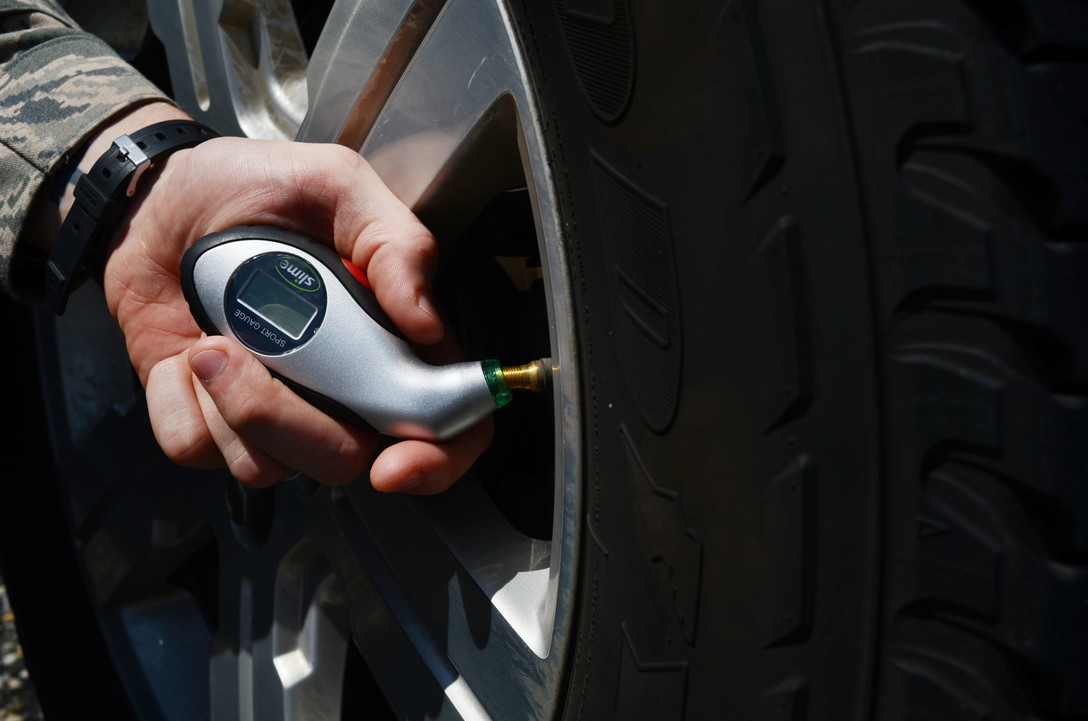
At a glance: Most ATV tyres run best at 4-8 PSI for safe handling, traction, and tyre life. Check PSI cold with a low-range gauge and keep pressure within the manufacturer’s limits. Adjust PSI slightly ...
Related Posts
ATV Or Quad Bike Tyres – Is There A Difference?
If you are into off-road travelling, ATV and Quad bikes might be a familiar term for you. Maybe you use this word quite often and sometimes interchangeably. But is it technically correct when you use ...