

At a glance:
- ATV tyre tread patterns directly impact grip, safety, performance and tyre life.
- Different tread designs perform best on different terrains and riding conditions.
- Matching tread to terrain improves control, efficiency and reduces wear.
- The right tread also minimises ground damage, especially on managed or agricultural land.
You might be wondering why ATV tread patterns are so important. Well, the tread is the only part of the vehicle in contact with the ground. So, the tread pattern plays a crucial role in determining tyre performance across different terrain conditions.
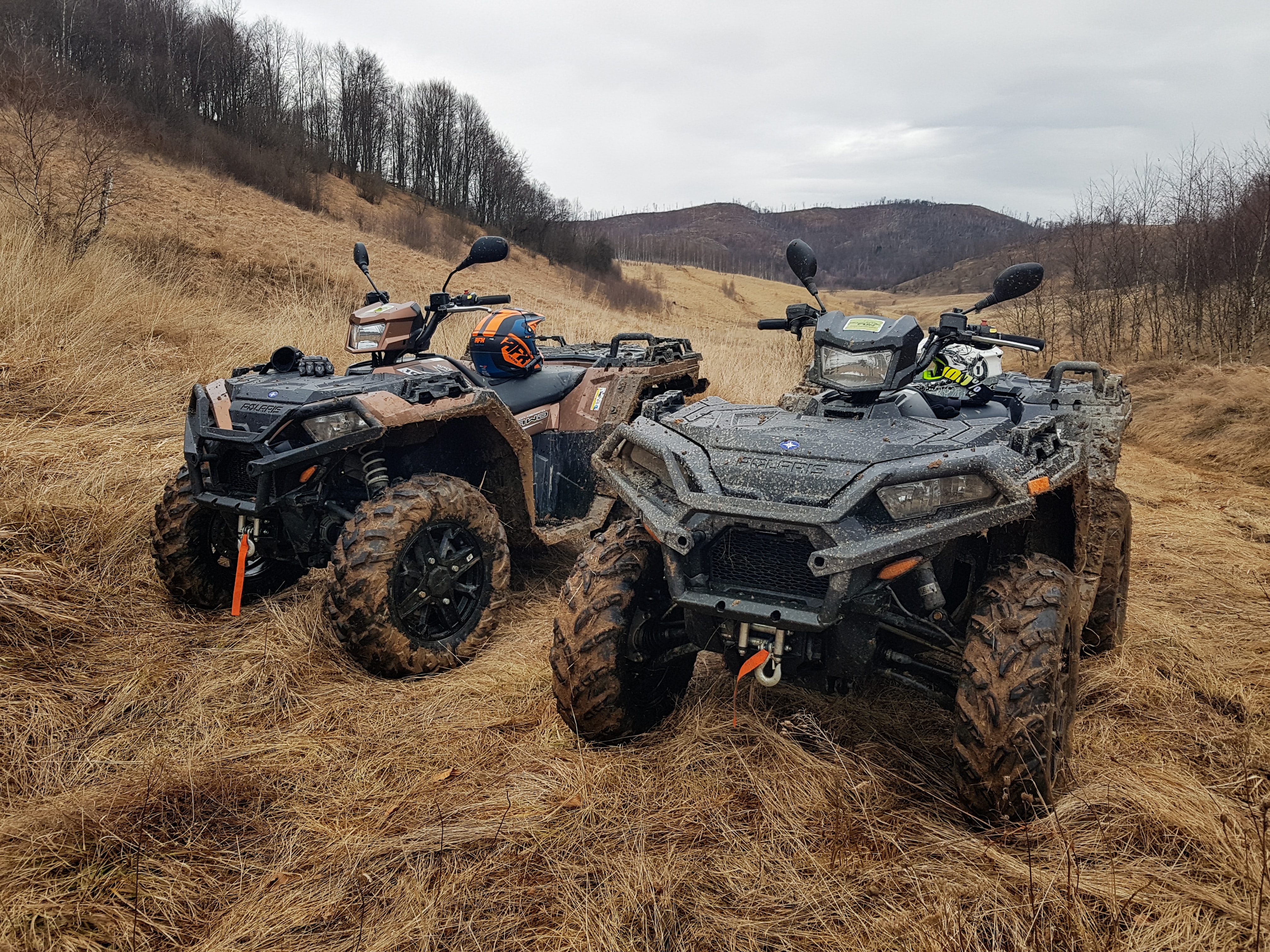
ATVs (All-Terrain Vehicles), as the name suggests, are designed to handle a wide range of terrain. Because they provide access to remote areas and help move equipment efficiently, ATVs remain a popular choice across agricultural, recreational and utility settings. When researching the different types of tyres available on the market, you’ll notice that their tread patterns vary considerably.
In this blog, we explore various types of ATV tyre tread patterns and why they matter in real-world riding conditions. But first, let’s take a closer look at what a tread pattern actually is and how it works.
What Is an ATV Tyre Tread Pattern?
An ATV tyre tread pattern refers to the design of the raised lugs on the tyre’s surface that come into direct contact with the ground. The tread pattern differs from tyre size or construction and focuses solely on how the tread is arranged. This design affects how the tyre grips and moves on various surfaces. It is a crucial factor in how an ATV performs on mud, dirt, gravel, sand or hard-packed terrain.
Tread patterns are influenced by factors such as lug size and shape, lug spacing, tread depth and tread direction. All these components work together to shape traction, braking, steering control, debris clearance, stability and even how evenly the tyre wears over time.
Selecting an appropriate tread pattern is crucial for ensuring that the ATV handles predictably, maintains traction and lasts longer in specific conditions.
Understanding the Different Types of ATV Tyre Tread Patterns
There are three types of tread patterns available, which determine the performance and durability of the tyres. These include:
Symmetrical Tyre Tread Pattern
Symmetrical patterns are commonly used on ATVs that operate on flat, hard-packed surfaces, but they are not designed for aggressive riding conditions. If you are looking for a tyre that delivers smooth driving and allows flexible rotation without affecting day-to-day performance, a symmetrical tread is often the best choice.
With this design, the tread pattern on both halves of the tyre is the same, with continuous ribs or blocks of independent tread across the entire face. These treads are long-lasting and promote even wear during regular use.
Directional Tyre Tread Pattern (V-Shaped)
The tread pattern of a directional tyre is designed to roll in only one direction. The V-shaped grooves help channel water, mud and loose debris away from the contact patch, improving traction in wet or low-grip conditions.
In addition to providing excellent traction, directional treads provide strong handling in mud and other low-traction conditions. Directional tread patterns can improve stability and traction for higher-speed riding or loose-surface conditions.
Asymmetrical Tyre Tread Patterns
Two tread patterns are featured on an asymmetric tyre, one on the inner half and another on the outer half. Even though the structure looks unusual, both halves perform different functions. The tread on the inner side helps displace water and improve wet-surface grip. Outer tread blocks are typically more rigid to improve lateral stability and cornering grip on firmer terrain.
Why ATV Tyre Tread Patterns Matter in Real-World Riding Conditions
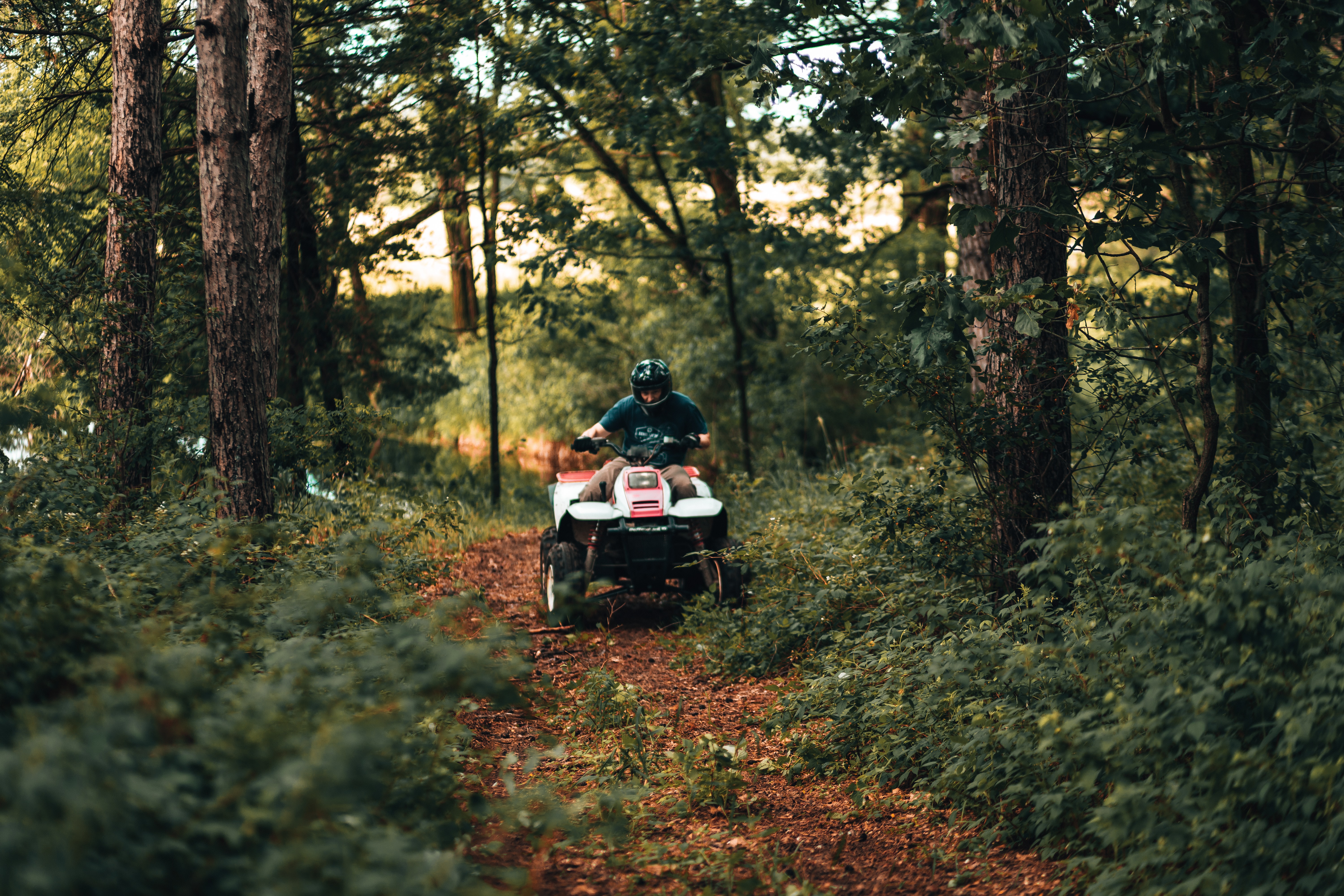
Once you understand how tread patterns are designed, the real value becomes clear when you see how they perform in everyday riding conditions. Here are some reasons why ATV tyre tread patterns are important:
Control Traction Across Different Surfaces
ATV tyre tread design plays a key role in how well your ATV can grip various types of terrain. Deeper lugs and wider spacing help tyres dig into softer ground like mud, sand or loose dirt. In contrast, tighter, more compact patterns ensure steady contact on gravel and hard surfaces.
Lug shape also contributes significantly, with angled or stepped edges helping the tyre maintain traction in challenging conditions.
Using the right tread pattern increases traction and reduces wheel spin during acceleration. On uneven ground, slopes or rutted tracks, the proper tread pattern keeps the tyres grounded rather than bouncing or drifting. This extra stability enables the rider to maintain control with less effort.
Safety You Can Feel While Riding
When considering ATV tyre safety, it is crucial to prioritise predictable braking and handling. A suitable tread pattern keeps more of the tyre in contact with the ground when slowing or taking a corner, helping prevent sudden loss of grip. This results in smoother, more controlled braking, especially on mixed terrain where traction can shift unexpectedly.
If the tread patterns do not match the riding conditions, the risk of sliding, bogging or losing control increases. Choosing the right tread can significantly enhance ATV tyre control, allowing riders to tackle corners, steep descents and sudden changes in surface with confidence. That sense of assurance leads to safer and more enjoyable rides.
Read More: Common ATV Tyre-Related Safety Hazards And How To Avoid Them
Getting More Performance From Every Turn of the Wheel
The performance of ATV tyres depends on how efficiently power is transferred from the engine to the ground. When the tread pattern is designed for the specific terrain, it minimises slippage, so more of that power goes into propelling the ATV forward rather than being wasted through spinning tyres. This leads to smoother acceleration and a more responsive feel when inputs are applied.
On the flip side, if the tread design does not match the terrain well, the tyres can create unnecessary resistance. As a result, the ATV has to work harder to move forward.
Over time, this extra effort can affect ride quality, increase load on drivetrain and suspension components, and accelerate mechanical wear.
Tyre Wear and Longevity
While riding style plays a role, ATV tyre wear is often strongly influenced by tread choice. Aggressive tread used on firm ground can wear unevenly, while shallow tread in soft terrain wears down faster as it struggles to maintain grip. In both cases, performance drops well before the tyre reaches its expected lifespan.
Choosing a tread pattern that suits how and where the ATV is used allows tyres to wear evenly across the contact surface. This not only extends tyre life but also maintains consistent handling and traction. It also reduces replacement frequency, which improves long-term value.
Protecting the Ground You Ride On
The tread pattern on your ATV also determines how the surface beneath it is treated. Aggressive lugs can dig deep into soil, tear up grass and leave lasting damage on softer or managed ground. Lower-impact tread designs distribute the ATV’s weight more evenly, minimising scuffing, rutting and surface disturbance during regular use.
This kind of balance is especially important if you work on farms, properties or maintained sites. Selecting the right tread pattern helps maintain reliable grip while minimising unnecessary ground damage. It also helps meet site access expectations, ensuring the ATV can do its job effectively without creating avoidable surface wear.
ATV tyre tread patterns influence far more than just appearance; they directly affect grip, control, efficiency and tyre lifespan. From maintaining control on uneven terrain to reducing wear and protecting the ground, tread design directly affects how the ATV performs in real-world conditions.
Rather than choosing tyres based only on size or appearance, understanding tread patterns allows you to make smarter decisions. Matching the tread to the terrain enhances safety, performance and durability, providing a more confident and predictable riding experience.
Looking to choose the right tread pattern for your ATV? Oceanic Direct, a trusted ATV tyre supplier in Australia, offers a wide range of ATV tyres designed to perform across different terrains and riding conditions.
Contact us to speak with our team and select ATV tyres that deliver maximum performance and safety.
FAQs
Can one ATV tyre tread pattern work effectively across multiple terrains?
Yes, but with limitations. All-terrain tread patterns can handle mixed surfaces reasonably well, but they won’t perform as effectively as terrain-specific tread designs in extreme conditions.
How does ATV tyre pressure interact with tread patterns to affect performance?
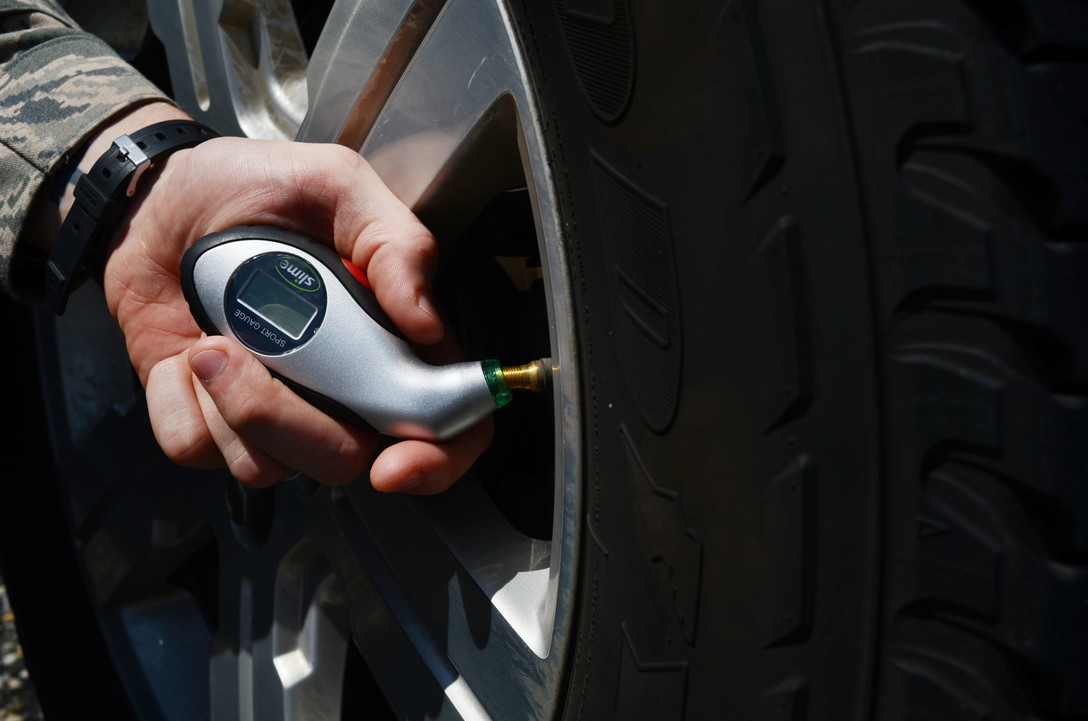
ATV tyre pressure affects how much of the tread contacts the ground. Lower pressure increases the contact area for better grip on soft terrain, while higher pressure improves stability and responsiveness on hard surfaces. To maintain correct tyre pressure on your ATV, read: How To Maintain Correct Tyre Pressure For ATV, Quad & Dirt Bike Tyres.
Do front and rear ATV tyres always need the same tread pattern?
No, they do not always need to match. Some riders use different tread patterns on the front and rear to improve steering control or traction, depending on how the ATV is used.
When should tread wear indicate replacement, even if the grip still feels acceptable?
ATV tyres should be replaced when the tread lugs are significantly worn down, rounded off or uneven, even if the grip still feels adequate.
What are the most popular ATV tyre brands in Australia?
Common ATV tyre brands available in Australia include Maxxis, Kenda, Carlisle, Wanda (Journey), Duro and Bushmate. For more information, refer to: Best Brands On The Market For ATV Tyres.
Related Stories

Pro Tips For Selecting The Best Tyre For Your ATV In Australia
At a glance: Choose ATV tyres based on your main terrain and riding conditions in Australia. Confirm the correct ATV tyre size and fitment to maintain safe handling and ensure proper ground clearance. Match tread ...
How to Maintain Correct Tyre Pressure for ATV, Quad & Dirt Bike Tyres
At a glance: Most ATV tyres run best at 4-8 PSI for safe handling, traction, and tyre life. Check PSI cold with a low-range gauge and keep pressure within the manufacturer’s limits. Adjust PSI slightly ...
Related Posts
ATV Or Quad Bike Tyres – Is There A Difference?
If you are into off-road travelling, ATV and Quad bikes might be a familiar term for you. Maybe you use this word quite often and sometimes interchangeably. But is it technically correct when you use ...