

At a glance:
- Tread lug depth, spacing and shape are the most critical features to evaluate in a mud-terrain ATV tyre.
- Carcass construction and rubber compound directly determine how a tyre performs under load in demanding conditions.
- Correct tyre sizing affects ground clearance, mud floatation and overall fitment on your machine.
- The Maxxis Bighorn M917 and BKT Bog Max are two standout mud-terrain options available at Oceanic Direct.
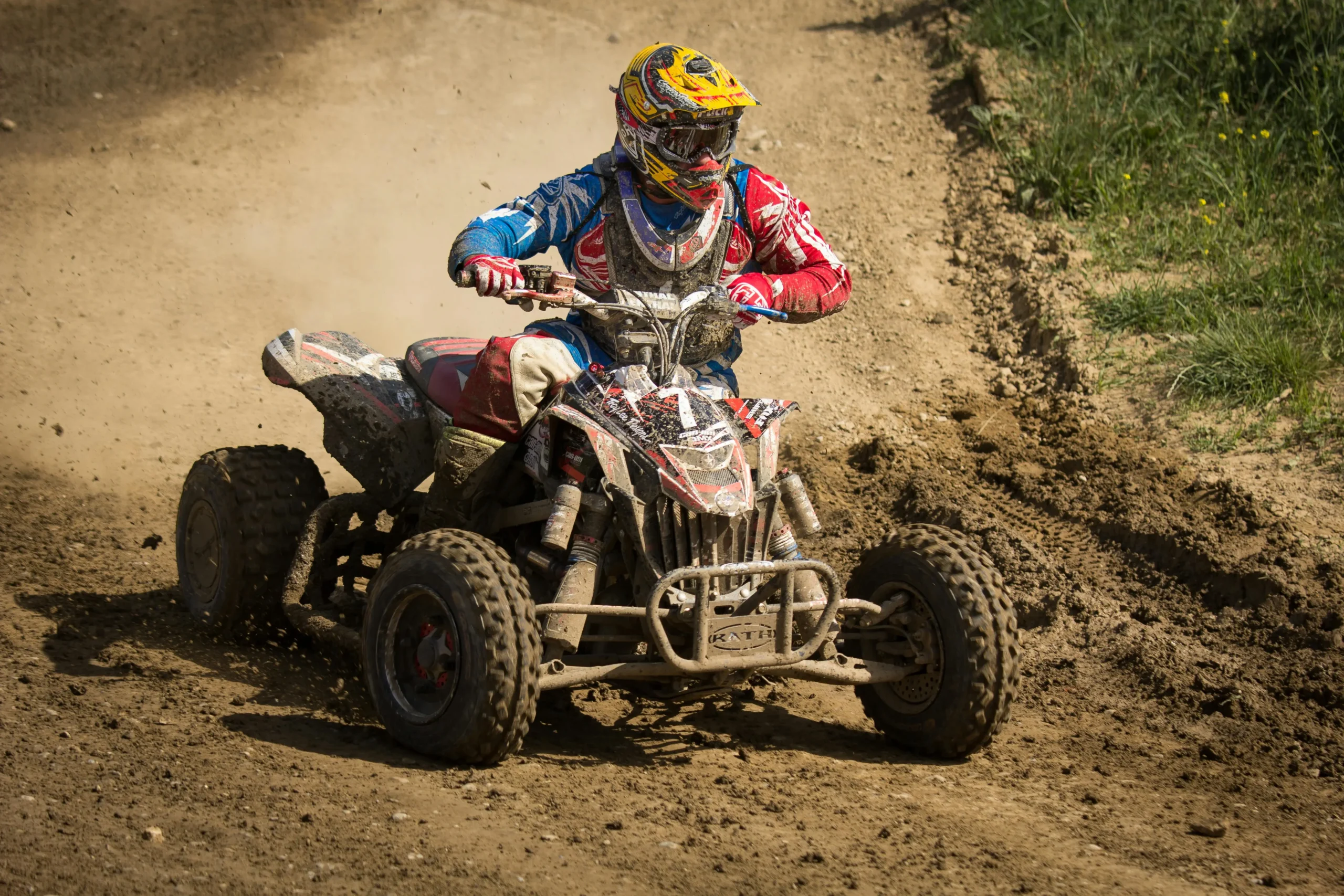
A wrong choice of ATV tyres in a deep mud does not just slow you down, it can leave you stuck, damage your ATV or put you in a dangerous spot on a remote trail. Choosing the right mud-terrain ATV tyres is one of the most important decisions an off-road rider can make, yet it is often neglected.
Riding through deep mud, waterlogged trails or difficult creek crossings requires the right tyres for reliable traction and control. Mud-terrain ATV tyres are purpose-built for demanding conditions. Unlike all-terrain ATV tyres, they feature deeper tread patterns, aggressive lug shapes, and a stronger construction to deliver traction where conventional tyres lose grip.
However, not every mud-terrain ATV tyre is built to the same standard. Tread design, rubber type, carcass construction, sidewall strength, sizing and durability play a defining role in real-world performance.
This blog explores the key features of mud-terrain ATV tyres to help you choose the right tyre for challenging conditions.
What Features Define a Great Mud-Terrain ATV Tyre?
Understanding ATV tyre anatomy is the foundation of choosing a tyre that actually performs when conditions get demanding. When you understand what each part of a tyre actually does under load, choosing between options becomes easy. Here’s what matters and why.
Tread Lug Design
The tread is your tyre’s only contact with the ground, which makes lug design one of the most important mud-terrain ATV tyre features to consider. Deep, widely spaced lugs engage soft ground and push out mud as the tyre rotates. As a result, the tread maintains a self-cleaning pattern, improving traction in wet conditions. When the lug depth and spacing are insufficient, mud accumulates in the tread, causing the tyre to lose grip quickly.
Lug shape is important too, depending on your riding environment. Square-edged lugs work well on harder, compacted mud. In contrast, staggered lugs perform better on loose and saturated ground.
You’ll encounter this on Queensland wet-season trails or waterlogged Victorian farm tracks, where conditions can change quickly. Within the tread itself, centre lugs drive forward momentum while shoulder lugs provide cornering stability and lateral grip when the terrain shifts beneath you.
Read more: Why Do The Tread Patterns On Your ATV Tyres Matter?
Rubber Compound
Tread design gets most of the attention, but the rubber compound is equally important, as it determines how that tread actually grips the surface. Softer compounds conform more closely to uneven surfaces, delivering better traction in wet and muddy conditions. Harder compounds, on the other hand, offer greater wear resistance on abrasive terrain such as gravel, rock or dry hardpack.
Australian conditions add another layer of consideration. A compound that grips confidently in the tropical heat of the Northern Territory may stiffen and lose performance on cold alpine trails in New South Wales or Victoria. When evaluating tyres, look for compound specifications described as mud-rated or terrain-matched rather than all-purpose.
Carcass Construction
Beneath the tread lies the carcass, the internal structure that affects how well a tyre handles load, impact and pressure changes on tough terrain. For mud-terrain riding, carcass quality directly affects how well the tyre handles impacts, heavy loads and unstable terrain.
Carcass performance depends on several factors, beginning with the two primary construction types used in mud-terrain ATV tyres:
- Bias-ply construction provides a stiffer and more puncture-resistant structure. It is ideal for rocky and technical terrain where sidewall damage is a real concern.
- Radial construction allows for more flexibility under load, which improves traction and ride comfort on mixed trail runs in muddy conditions.
Ply rating for ATV indicates the number of internal reinforcement layers. A higher rating means the tyre can resist deformation and trail damage better under heavy loads.
Air-down capability, which is reducing tyre pressure to improve floatation in deep mud, also relies on a strong carcass. Without adequate construction, running low pressures risks bead separation or catastrophic sidewall failure.
For most Australians who ride in muddy terrain, a 6-ply or higher radial carcass offers the right mix of structural strength and trail performance.
Sidewall Strength
In soft, muddy terrain, the sidewall is often the most exposed part of the tyre. When the tread is buried in soft ground, the sidewall sits in direct contact with rocks, roots and submerged obstacles. Sidewall strength isn’t a secondary spec for riders in off-road situation but it’s what keeps you moving when conditions turn rough.
Reinforced sidewalls incorporate additional rubber layers, nylon overlays or cut-resistant compounds that reduce the risk of punctures and blowouts.
When assessing sidewall construction, look for:
- Sidewall lug extensions that provide lateral grip on uneven and rocky ground
- Published sidewall thickness or reinforcement specifications in the product details
- Cut-resistant compound callouts in the tyre description or manufacturer spec sheet
Read more: How To Read And Understand ATV Tyre Sidewall Markings.
Tyre Size and Profile
Most riders default to the size their machine came fitted with, and for many, that works fine. But if you are riding more demanding terrain than the manufacturer planned for, tyre sizing is worth considering. The impact of tyre size can make a real difference in mud performance and traction.
A size like 26×10-12 shows the overall diameter (26 inches), tyre width (10 inches) and rim diameter (12 inches). Each figure affects ground clearance and how the tyre distributes weight across soft ground.
Choosing the right profile is also important. Narrow, high-profile tyres can cut through mud to reach firmer ground below. In contrast, wider, lower-profile tyres spread the load over a larger area, which helps the ATV float on boggy surfaces.
Before finalising a size, check the following:
- Rim compatibility with your current wheels.
- Adequate mudguard clearance for your specific machine.
- Correct load index if your ATV is used for farm work or carrying equipment.
Best Mud-Terrain ATV Tyres for Maximum Traction and Durability
Knowing what features to look for makes tyre selection far more straightforward. As a reputed ATV tyre supplier in Australia, we at Oceanic Direct stock a range of off-road mud tyres from trusted brands. Here are six worth considering:
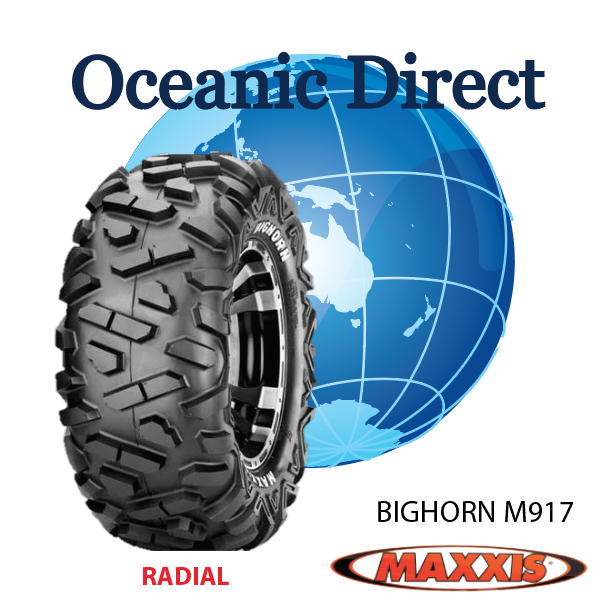
- Maxxis Bighorn M917: A 6-ply radial tyre with a wide-footprint tread pattern designed to improve traction, stability and mud-cleaning performance in soft terrain.
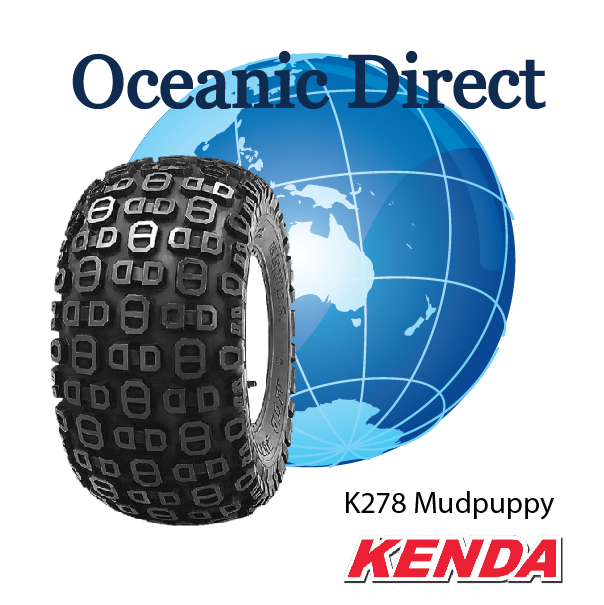
- Kenda K278 Mudpuppy: A heavy-duty bias tyre designed for muddy paddocks and mixed farm terrain, with a durable construction suited to demanding off-road use.
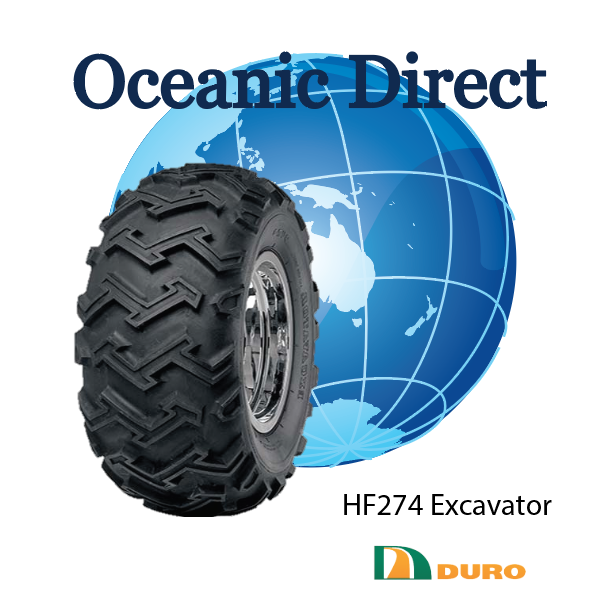
- Duro Excavator HF274: A purpose-built mud and soft soil tyre with deep cut channels and alternating shoulder lugs engineered for maximum ground penetration.
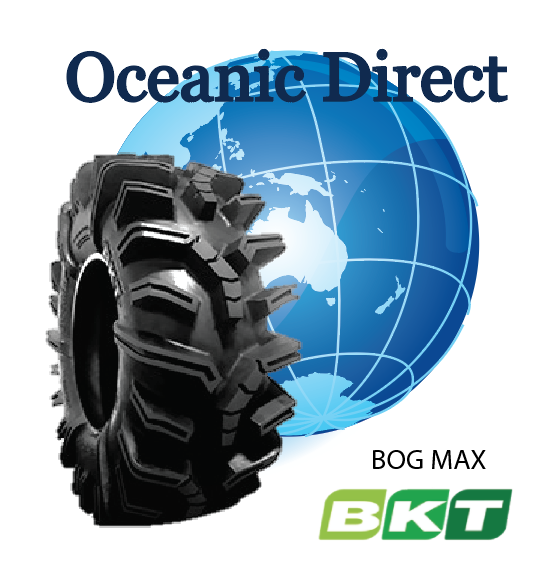
- BKT BOG MAX: Designed specifically for mud bog conditions, with a very deep, angled lug pattern and outstanding self-cleaning properties for extremely wet terrain.
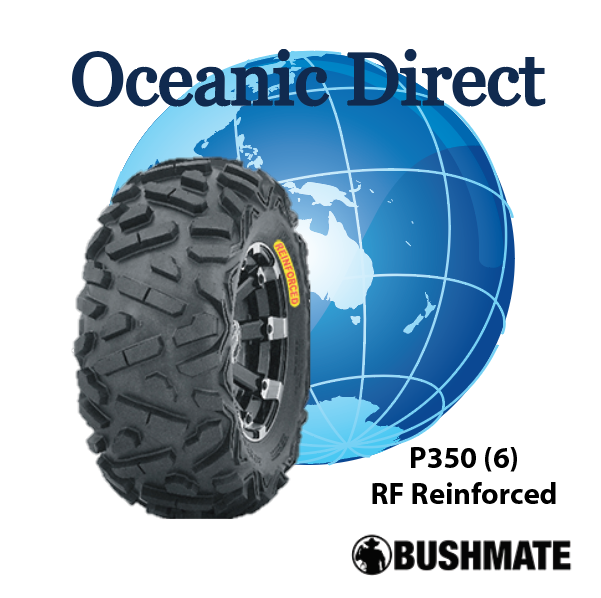
- Bushmate P350 (6) RF Reinforced: Features deeper tread, wraparound shoulder lugs and reinforced 6-ply nylon construction designed to improve mud traction and durability.
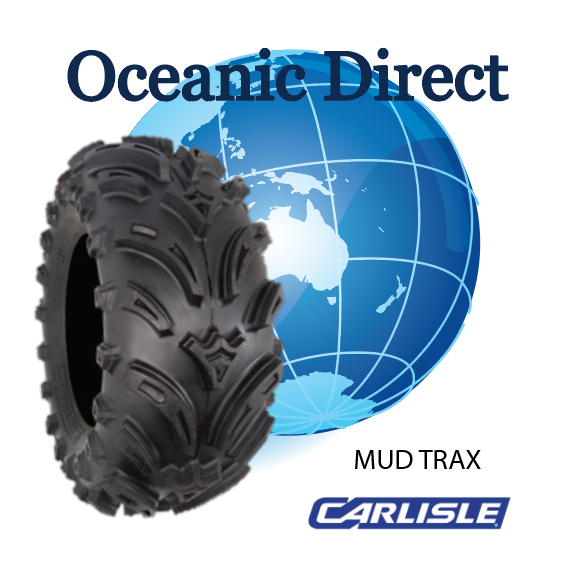
- Carlisle MUD TRAX: A heavy-duty 6-ply tyre with deep, angled grooved lugs and an extended wear compound built for demanding loads on rough, muddy tracks.
The right mud-terrain ATV tyre isn’t simply the most aggressive-looking option, or the brand name on the sidewall. It’s the one that matches your terrain, your machine’s load requirements, and the conditions you actually ride in
Evaluate tread lug design, rubber compound, carcass construction, sidewall strength, and sizing together. Each feature plays a specific role in how a tyre performs when the Australian terrain gets demanding.
With that knowledge in hand, finding the right option becomes a much more confident decision. Buy ATV tyres from Oceanic Direct and choose from a trusted range of mud-terrain options, supported by expert guidance for your machine and riding conditions.
Contact us today to explore durable ATV tyre options and head into your next ride fully equipped.
FAQs
When should you use an off-road mud tyre instead of all-terrain tyres?
Use an off-road mud tyre when your riding consists primarily of deep mud, thick clay, steep ruts and sharp rocky terrain. If you occasionally ride on hard-pack or sealed surfaces, all-terrain tyres are the more practical choice, as mud traction ATV tyres wear faster on firm ground.
How often should ATV mud tyres be rotated or inspected for uneven wear?
ATV mud tyres should be inspected every 500 to 1,000 kilometres or at the start of each riding season, whichever comes first. For riders on mixed terrain, consider rotating every 1,000 to 2,000 kilometres to even out wear patterns. Also check tyre pressure before every ride; underinflation accelerates sidewall wear and increases the risk of bead separation in mud.
What common mistakes should you avoid when choosing a mud traction ATV tyre?
Common mistakes include selecting the wrong tyre size, ignoring ply rating for your load requirements, overlooking sidewall strength and choosing an all-purpose compound over a mud-rated specification.
What tyre features are most important for riding through muddy terrain?
The most important features for muddy terrain include deep spaced tread lugs, a mud-rated rubber compound, a reinforced carcass and strong sidewalls to resist cuts and punctures.
How can you assess the quality of an ATV tyre before buying it?
To assess the quality of an ATV tyre before buying, check the ply rating, review the rubber compound specification and inspect whether the tread pattern wraps around onto the sidewall. If you’re unsure, the Oceanic Direct team can help you compare options before you commit.
Related Stories

Pro Tips For Selecting The Best Tyre For Your ATV In Australia
At a glance: Choose ATV tyres based on your main terrain and riding conditions in Australia. Confirm the correct ATV tyre size and fitment to maintain safe handling and ensure proper ground clearance. Match tread ...
How to Maintain Correct Tyre Pressure for ATV, Quad & Dirt Bike Tyres
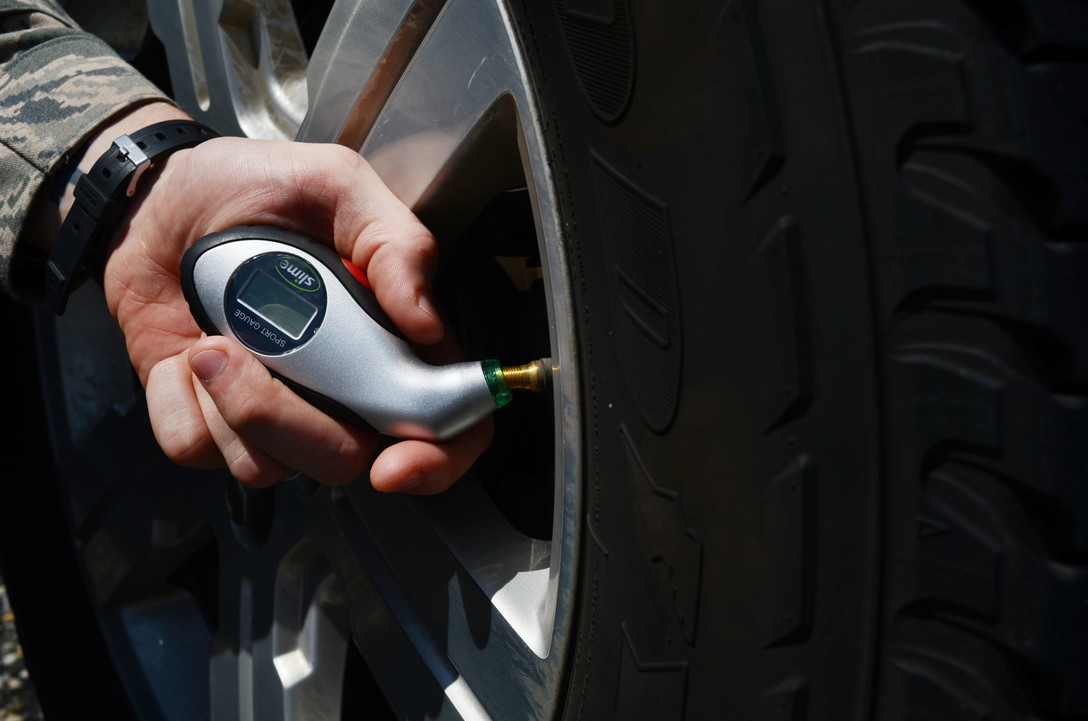
At a glance: Most ATV tyres run best at 4-8 PSI for safe handling, traction, and tyre life. Check PSI cold with a low-range gauge and keep pressure within the manufacturer’s limits. Adjust PSI slightly ...
Related Posts
ATV Or Quad Bike Tyres – Is There A Difference?
If you are into off-road travelling, ATV and Quad bikes might be a familiar term for you. Maybe you use this word quite often and sometimes interchangeably. But is it technically correct when you use ...