

At a glance:
- The right setup depends on your truck’s application, route type and load demands.
- Axle type, hub specs, and load ratings must be confirmed before choosing either a dual-wheel setup or a wide-base single.
- Dual wheels require more inspection points, while wide-base singles offer simpler and quicker servicing access.
- Super singles can reduce vehicle weight, but efficiency outcomes depend on multiple operational factors beyond wheel choice alone.
The wheel configuration affects more than how your truck looks, it directly influences load handling, tyre wear, fuel consumption and maintenance requirements. Getting this decision right pays off in both performance and long-term operating costs.
Dual wheels have long been the standard rear-axle setup across commercial trucks and trailers. They are well understood, widely supported and trusted across a broad range of transport applications. Wide-base singles, though, are steadily becoming more popular in heavy-duty and on-road applications, supported by their performance and efficiency benefits.
Neither option is universally better; the right choice depends on your truck’s application, load demands, operating environment and maintenance priorities. This blog explores dual wheels and wide-base singles to help you make a well-informed decision for your fleet or vehicle requirements. But first, let’s look at what each one means for your truck.
What Are Dual Wheels and Wide-Base Singles?
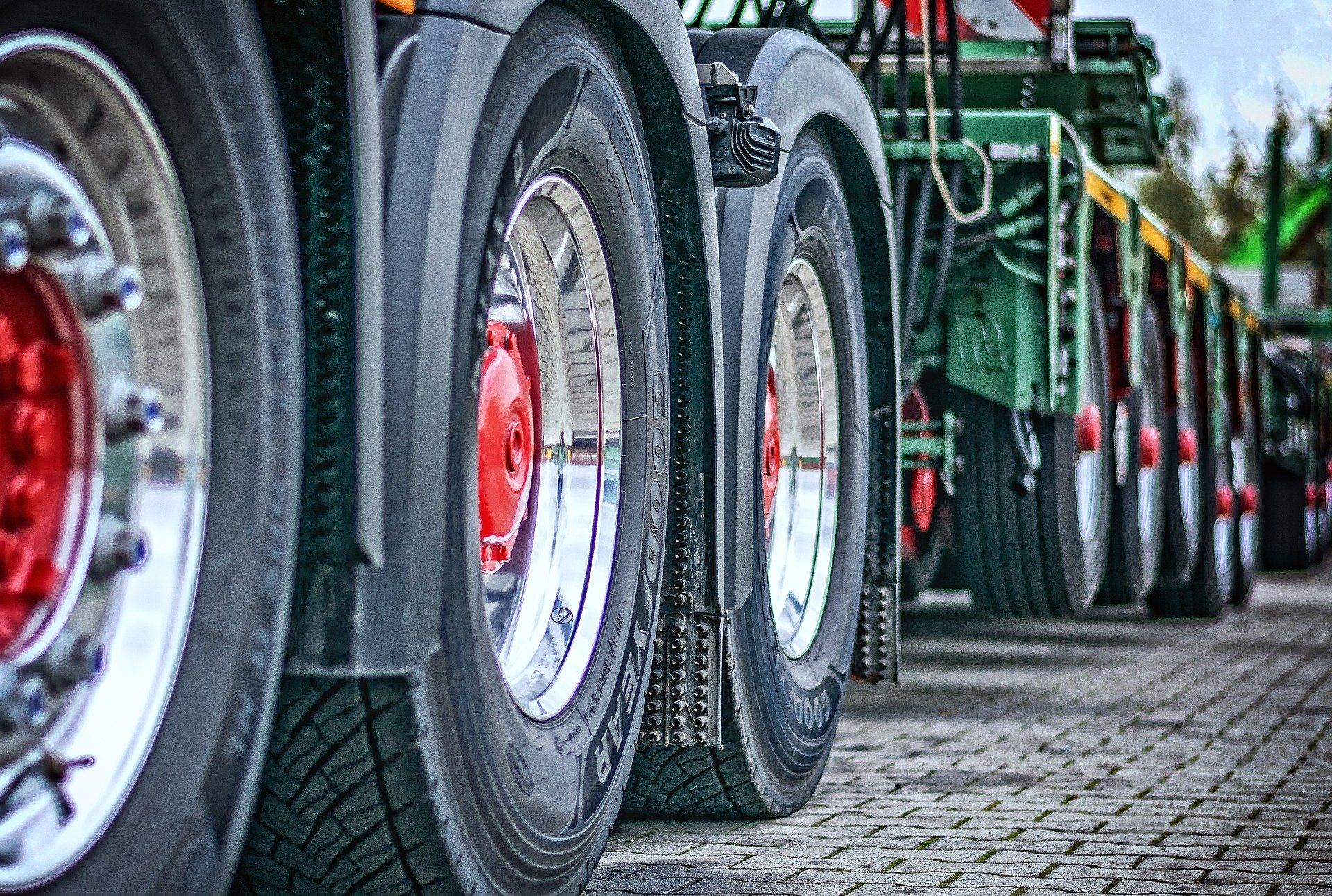
A dual wheel setup uses two wheels and tyres mounted side by side at each end of a rear axle. This configuration has been a long-standing standard for heavy-duty trucks, trailers and commercial transport and remains widely used because it reliably handles high-load freight operations. By spreading the vehicle’s weight across multiple tyre contact points, it suits demanding applications where load stability is crucial.
The setup is widely recognised across Australian workshops, with replacement tyres and wheels readily available. In the event of a tyre failure, the second tyre on that axle end can often support the vehicle to a nearby service point. That said, many drivers running dual wheels are now exploring super single conversions drawn by their proven load stability and widespread availability of servicing components across commercial transport networks.
Wide-base singles, commonly referred to as super singles, replace the dual assembly with a single wider wheel and tyre at each axle end. The tyre itself is wider than a standard truck tyre, designed to carry the required load through one wider contact patch when correctly specified and load-rated. This setup uses fewer wheel and tyre components than a dual assembly, which can reduce weight and simplify access.
Beyond the weight reduction, wide-base singles offer improved accessibility for routine maintenance. With no inner tyre to work around, tyre inspections, pressure checks and general servicing are more straightforward. They are commonly used across on-road freight operations and selected off-road heavy-duty applications.
To help you better compare dual wheel setups and wide-base single tyres for trucks, the table below highlights key differences across common truck wheel configuration factors.
| Feature | Dual Wheels | Wide-Base Singles |
| Wheel Setup | Two wheel positions per side | One wider wheel position per side |
| Common Usage | Linehaul freight, heavy construction haulage, bulk commodity transport | Highway-focused long-distance freight, fuel-efficient logistics fleets and selected commercial transport applications |
| Number of Components | More wheels and tyres overall | Fewer wheel and tyre components |
| Inspection Access | More wheel positions to inspect | Easier access around wheel areas |
| Fleet Familiarity | Common across existing truck fleets | More specialised, depending on the application |
What to Consider When Choosing Dual Wheels or Wide-Base Singles for Your Truck?
Both dual wheels setups and super singles are capable, well-established options. Choosing between them comes down to understanding how each one performs in your specific operating conditions.
Load Capacity and Freight Requirements
Load capacity is one of the first things to get right, since it determines safe load support and overall performance. Dual wheels distribute weight across multiple tyre positions on each axle end, making them a reliable choice for heavy freight, bulk transport and high-load applications where consistent axle load distribution is essential. Think of linehaul B-doubles or bulk tipper operations running heavy payloads across long distances. The spread of load across dual positions suits those demanding requirements well.
Wide-base singles are also used in commercial freight, but the tyre and wheel combination must be correctly load-rated for the job. A properly specified super single can handle substantial loads while reducing overall wheel assembly weight. The key is ensuring the choosen tyre carries the right load rating for the truck’s gross vehicle mass and intended freight type. This is non-negotiable from both a safety and compliance in Australia.
Operating Conditions and Road Environment
Where your truck operates matters just as much as what it carries. Dual wheels have a strong track record in demanding environments such as construction sites, mine access roads and mixed-terrain regional routes, where the dual configuration adds extra stability across uneven or unpredictable surfaces.
Wide-base singles tend to perform well in highway-focused freight operations where road conditions are more consistent. If you run regular linehaul routes between capital cities or along major freight corridors, you may prefer them for their efficiency gains and simpler maintenance on sealed roads. If your truck spends most of its time on highways rather than rough or variable terrain, wide-base singles are worth serious consideration.
Wheel Fitment and Vehicle Compatibility
Not every truck supports both wheel configurations, so this can shape the decision early. Your truck’s axle type, hub specifications and manufacturer guidelines determine which setups will actually fit. An 8-stud Isuzu or Hino, for example, may need specific 8-stud super singles, while a 10-stud European platform will have different fitment requirements. So, the available wheel options vary across truck models.
Confirm compatibility against the truck’s specifications and Australian road compliance requirements before cost or preference enters the conversation. A setup that doesn’t align with the vehicle’s approved load ratings or axle design is both a safety risk and a compliance issue.
Read more: Super Single Conversions for 8 and 10 Stud Isuzu, Hino, Mitsubishi Trucks.
Maintenance and Inspection Priorities
Maintenance workload often separates owner-drivers from fleet operators when it comes to wheel choice. Dual wheel setups involve more tyre positions per axle. This leads to more frequent inspections, rotation points and longer servicing times. For a fleet running dozens of vehicles, this adds up quickly across the maintenance schedule.
Wide-base singles reduce the number of components that require regular attention. With no inner tyre next to an outer, pressure checks and visual inspections are easier and quicker. If your truck regularly runs refrigerated interstate freight overnight, wide-base singles may help simplify pre-departure inspections and improve turnaround efficiency.
Key maintenance differences include:
- Dual wheel setups involve additional wheel positions, increasing servicing time across large fleets
- Inner dual tyres can trap heat and debris, making damage harder to detect early
- Wide-base singles simplify access during roadside inspections and routine pressure checks
- Fewer wheel and tyre components can help reduce truck maintenance complexity
Fuel Efficiency and Vehicle Weight
Vehicle weight matters in freight transport, especially on long-distance runs where tare weight affects payload capacity and fuel costs. Super singles are generally lighter than an equivalent dual wheel assembly, and that weight reduction can contribute to improved fuel efficiency in long-distance freight operations. The cumulative effect on fuel consumption over time is a legitimate operational advantage.
That said, fuel savings from wheel configuration alone should not be overstated. Outcomes also depend on load type, driving conditions, vehicle setup, tyre inflation management and driver behaviour. Wide-base singles support efficiency, but they work best as part of a broader approach to managing operating costs rather than as a standalone solution. Properly maintained and correctly inflated, dual wheels remain a cost-effective option for many Australian transport operators.
What Wheel Options Are Available for Each Setup?
Once you understand how each truck wheel configuration performs in different applications, the next step is matching the right wheels to your axle specs, load requirements and budget.
For Dual Wheel Setup:
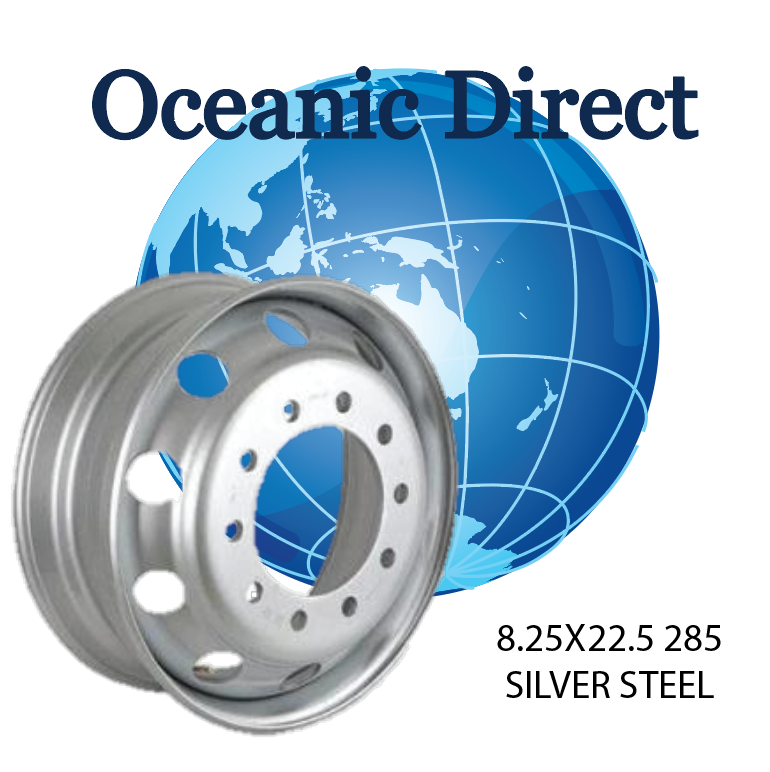
- Steel Disc Wheel – 8.25 × 22.5″: Built for reliability, this standard steel disc wheel suits dual rear axle trucks across both Japanese and European fitments.
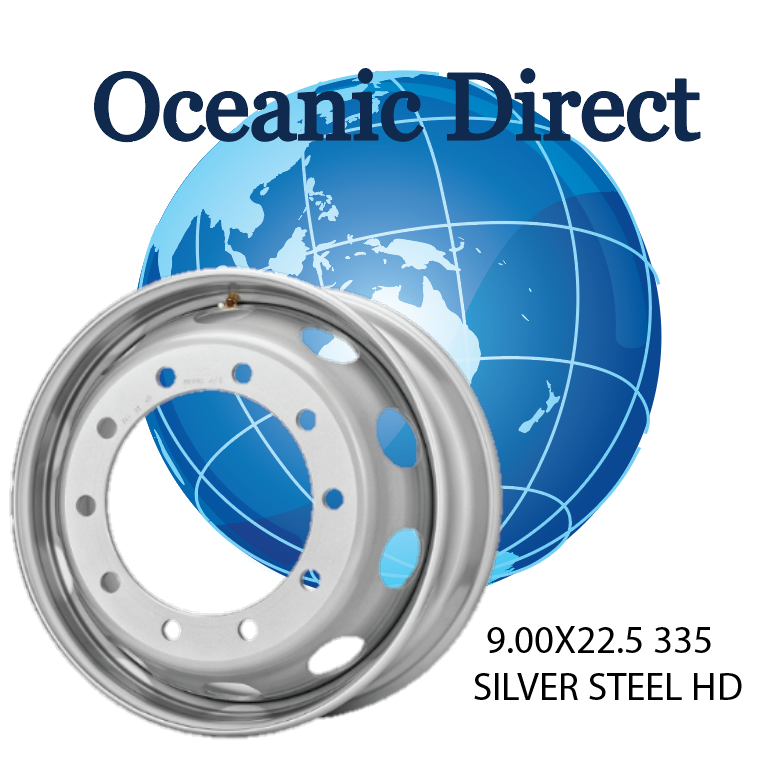
- Steel Disc Wheel – 9.00 × 22.5″: Where higher load demands are involved, this heavy-duty steel disc wheel handles dual truck and trailer axle configurations with confidence.
- Alloy Disc Wheel – 8.25 × 22.5″: If you are looking to reduce unsprung weight without leaving a dual setup, you will find this polished alloy disc wheel a practical upgrade over standard steel.
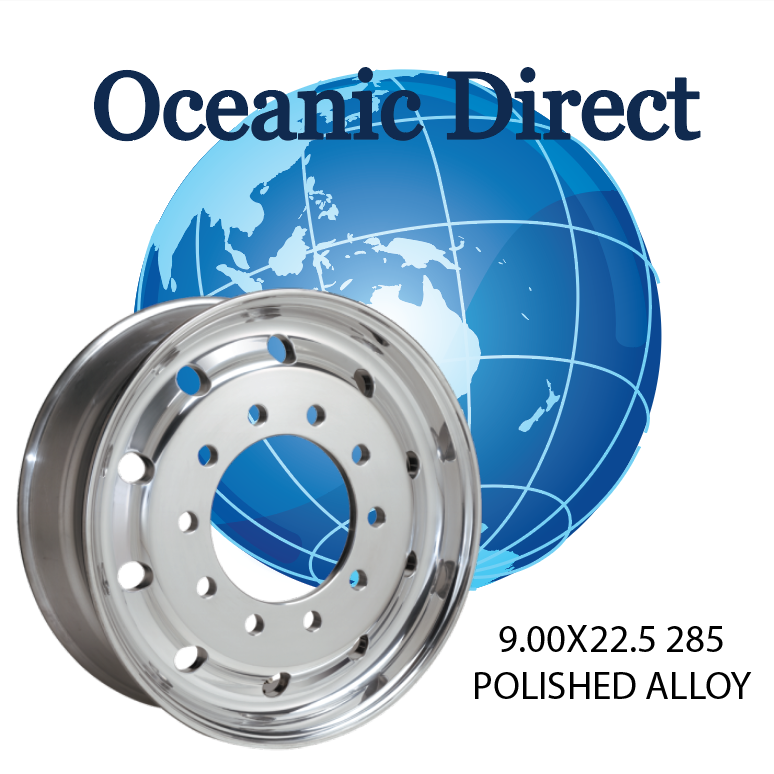
- Alloy Disc Wheel – 9.00 × 22.5″: Available in both steer and drive configurations, this polished alloy wheel option enhances performance while adding a refined finish to dual truck axle positions.

For Wide-Base Singles:
- Steel Disc Wheel – 11.75 × 22.5″: Designed specifically for super single applications, this steel disc wheel comes in multiple offsets to match a wide range of truck axle specifications.
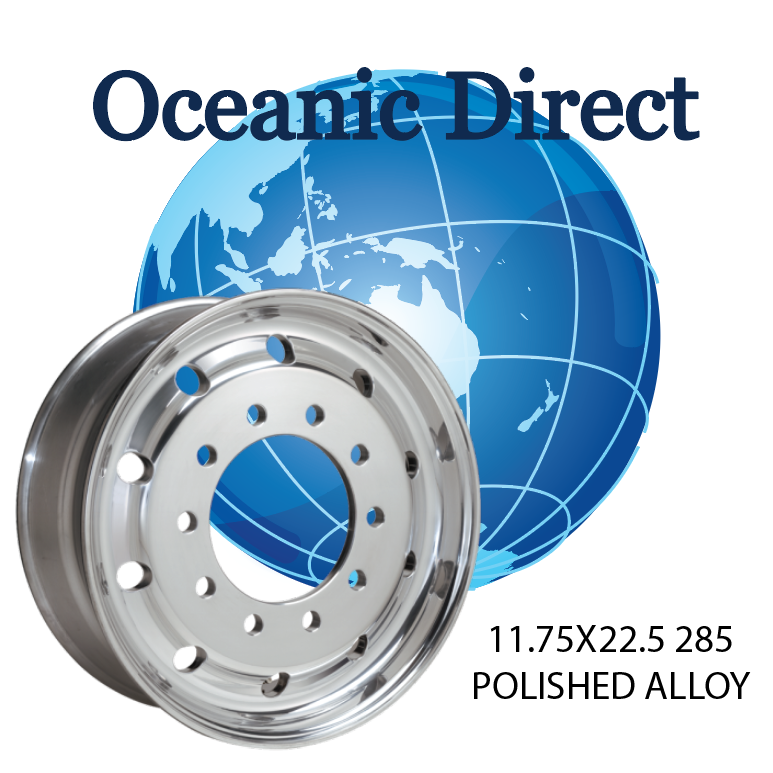
- Alloy Disc Wheel – 11.75 × 22.5″: If you prioritise weight savings on highway runs, this polished alloy super single wheel delivers both performance and a cleaner finish.
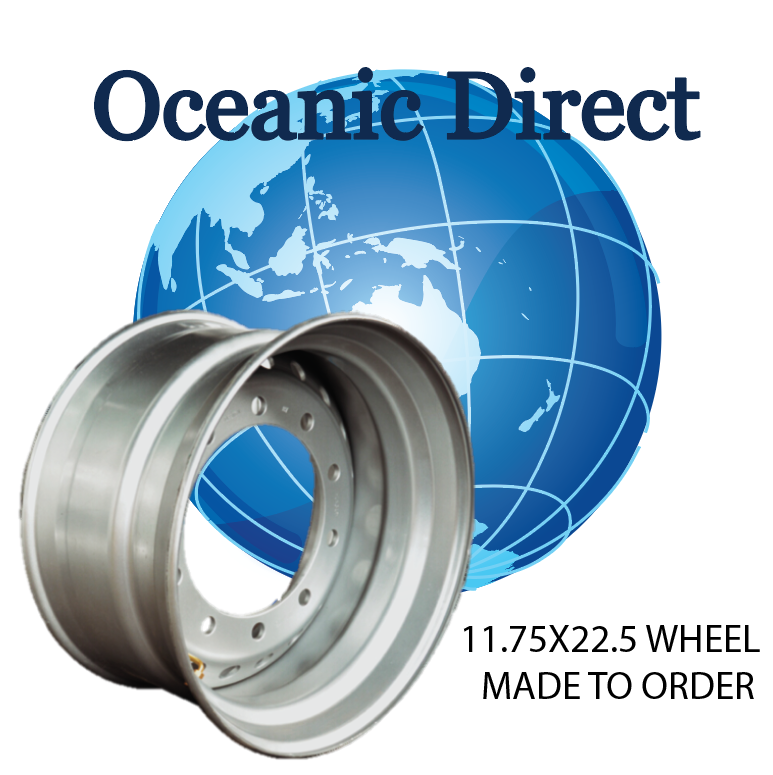
- Made-to-Order Disc Wheel – 11.75 × 22.5″: No two trucks are exactly alike, and this custom-manufactured steel disc wheel is built to specific vehicle requirements for specialised heavy-duty applications.

Not sure which spec fits your truck? Our team works directly with owner-drivers and fleets, no sales reps, no middlemen, to confirm the right wheel for your axle and load rating before you buy.
Once your wheel configuration is sorted, you can explore matching truck tyres to complete the setup.
Choosing between dual wheels and wide-base singles is not a one-size-fits-all decision. For heavy freight, bulk transport and mixed-terrain operations, dual wheels remain a reliable and widely supported choice. Wide-base singles suit highway-focused and long-distance freight where weight savings, fuel efficiency and easier maintenance access are genuine priorities. Vehicle compatibility, correct load ratings and Australian road compliance should always be confirmed before committing to either setup.
At Oceanic Direct, we stock a full range of steel and aluminium disc wheels for both dual and wide-base single setups, including custom-made-to-order options built specifically for your truck. We also carry matching truck tyres to suit each wheel configuration, so you can source everything you need in one place.
With over 30 years of industry experience, our team offers an honest approach to providing quality products and personal service to our customers. Contact us today to find the right solution for your truck.
FAQs
Can you switch an existing truck from dual wheels to wide-base singles?
Yes, you can. Switching from a dual wheel setup to wide-base singles requires compatible wheel and rim specifications, correct load ratings, and axle and hub compatibility specific to your truck model. Vehicle compliance with Australian road regulations must also be confirmed before making the change.
Do dual wheels and wide-base singles use different tyre pressure requirements?
Yes. Wide-base singles typically require higher inflation pressure than individual dual tyres because a single wider tyre carries the load that was previously shared across two tyres. The correct pressure for each setup depends on the specific tyre size, load rating and manufacturer specifications.
How does wheel configuration affect tyre wear patterns?
Wheel configuration directly affects how load and heat are distributed across the tyre contact patch. Dual wheels can develop uneven wear between inner and outer tyres if inflation pressure is not consistently maintained. Wide-base singles tend to wear more evenly when correctly inflated, as the load is carried across one wider contact patch.
How has modern technology changed truck tyre performance and maintenance?
Modern technology has advanced tyre compounds, delivering improved heat resistance, durability and fuel efficiency. Tyre pressure monitoring systems also enable real-time inflation tracking, helping reduce uneven wear and lower the risk of tyre-related failures.
Related Stories
Guide for Selecting Best Rims For Your ATV, Quad, and Dirt Bike Tyres
A rim of any vehicle is the outer edge of a wheel that holds the tyre firmly in place so that the tyre rotates in conjunction with the wheels. Rims can have different designs, widths, ...
Increasing Dependence On Logistics Via Trucks – What Does It Mean?
Our Increasing Dependence On Logistics Via Trucks Instead Of Air Freight – How Is This Impacting Our Need For High-Quality Truck Tyres And Rims? The transportation and logistics industries are some of our most vital ...
Related Posts

Essential Tyre Safety Checklist for Your Next Road Trip
With over 30-year experience as an importer, wholesaler, and retailer of wheels and tyres in Australia, we at Oceanic Direct know how quality tyres and wheels play a crucial role in providing you and your ...