

At a glance:
- Most ATV tyres run best at 4-8 PSI for safe handling, traction, and tyre life.
- Check PSI cold with a low-range gauge and keep pressure within the manufacturer’s limits.
- Adjust PSI slightly for terrain changes, but never outside recommended ranges.
- Steering changes, harsh ride, heat build-up, or uneven wear signal incorrect pressure.
Many riders face unexpected handling or tyre wear problems that increase safety risks and vehicle damage. Chances are, you are dealing with similar problems. In many cases, incorrect tyre pressure is the underlying cause, an issue that is often overlooked.
Maintaining the correct ATV tyre pressure protects your tyres, improves handling, and enhances overall riding performance. This also helps your vehicle stay responsive and operate reliably across different terrains and conditions.
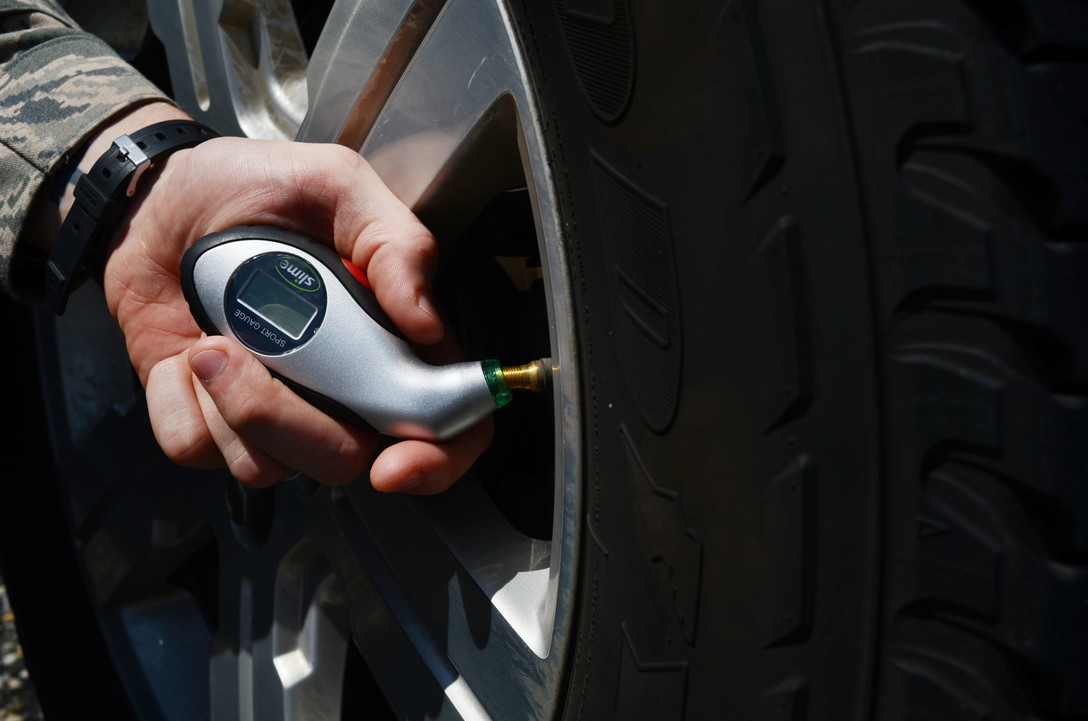
Tyre pressure refers to the amount of air inside the tyre, measured in pounds per square inch (PSI). Checking and adjusting it requires identifying the recommended PSI, using a low-pressure tyre gauge, and inflating or deflating the tyre as required for your specific tyre and riding conditions.
In this blog, we will discuss how to check your ATV tyre’s pressure and the signs that your ATV tyres may need pressure adjustments. Let’s begin by understanding recommended tyre pressures for ATVs.
Understanding Recommended Tyre Pressure for Your ATV
Whether the pressure is high, low, or uneven in different tyres, safety, tyre longevity, fuel efficiency, and performance are compromised. Thus, understanding ideal pressure ranges, recommended pressure for your specific needs, and ideal ATV tyre pressure for different riding conditions is important.
Typical PSI Ranges for ATV Tyres
Most ATV tyres are designed to operate at low pressure, typically 4-8 PSI, for regular farm and off-road use. This lower pressure provides better traction, shock absorption, and safer handling on rough ground. Slightly increased pressure may be necessary for towing or tyres with reinforced sidewalls.
Although this can serve as a useful ATV tyre PSI guide, it should always remain secondary to the manufacturer’s stated limits.
Read More: Common ATV Tyre-Related Safety Hazards And How To Avoid Them
Finding Your ATV’s Correct Recommended PSI
Recommended PSI values are an essential starting point, but the ideal pressure also depends on the tyre’s type, construction, and rubber composition. Tyres from different manufacturers can require different pressure settings, even when used on the same ATV.
For this reason, always confirm the correct PSI in the tyre manufacturer’s guide. You’ll also find the recommended PSI printed on the tyre sidewall or confirmed by a trusted supplier like Oceanic Direct.
Ideal Tyre Pressure for Different Terrain Conditions
Not all ATVs are designed to perform in the same way. Some are designed to operate across a range of conditions, and the tyres usually have a suitable range of pressures for various uses. It is best and safest to know the tyre pressure required for your ATV under different conditions, so the tyres perform optimally.
As a general guide for Australian terrains:
- Mud: 3-5 PSI to improve traction and flotation.
- Rocky ground: 5-6 PSI to protect rims and maintain stability.
- Forestry tracks: 4-8 PSI for a balance of grip and handling.
Again, these are general recommendations. Always adjust tyre pressures according to your ATV model, tyre type, load, and riding conditions, ensuring they remain within the manufacturer’s specified limits.
Read More: Best ATV Ride Locations In Australia For Beginners
How to Check and Adjust Tyre Pressure on Your ATV
Once you know your recommended PSI, the next step is to check and adjust your ATV tyre pressure correctly. The following tips help you get an accurate reading and maintain consistent pressure across all tyres:
- Check tyres cold: PSI readings are most accurate when the tyres are cold. After riding, the tyres get warmer, the rubber expands, and tyre pressure increases. Measure first thing in the morning or after the ATV has been parked long enough for the tyres to cool down to the outside temperature.
- Inspect bead seating and valve condition: A quick visual check around the bead and valve stem helps ensure there’s no debris stuck in the bead seat or cracks in the valve rubber. Proper sealing supports long-term pressure stability and prevents ongoing leaks that can change handling and tyre wear.
- Use a low-range ATV-specific pressure gauge: ATVs operate at lower pressures than road vehicles, so a standard automotive gauge can yield inaccurate readings. A low-range gauge made for off-road tyres offers more precise measurement detail. It allows you to notice small pressure changes that affect traction and handling.
- Compare readings with the recommended PSI: After you get your reading, always compare it to the exact figure specified on the tyre sidewall or in the operator’s manual.
- Inflate or release air gradually: ATV tyres have a low air pressure, so even short bursts from a pump can exceed your desired setting. Add or release air slowly, and pause between checks to allow the pressure to stabilise.
- Avoid using high-flow compressors: High-capacity inflators deliver pressure quickly and can push the reading several PSI higher before you can react. Slower inflators designed for ATVs let you monitor the gauge as pressure increases, helping you find the correct PSI more accurately.
- Repeat readings for consistency: Rechecking helps confirm that the reading matches the final value. After inflating, allow a moment for internal pressure to stabilise, then confirm the reading with a second or third measurement.
- Check all four tyres individually: Each tyre can lose pressure at a different rate due to load, terrain, and wear. Measuring every tyre ensures balanced handling and consistent performance.
Signs Your ATV Tyre Pressure Needs Correcting
Changes in steering feel, ride quality, and tread behaviour often indicate when ATV tyre pressure has shifted outside the recommended range. Let’s look at the common warning signs that tell your PSI needs adjusting.
Indicators of Under-Inflation
- Dragging or sluggish steering: Low PSI causes the tyre to change shape and press harder against the surface. This creates noticeable resistance when turning and reduces steering response.
- Visible sidewall bulge: A swollen or flattened sidewall indicates that the casing is not holding its shape. This suggests that the internal pressure is too low to support the tyre’s intended profile.
- Excessive heat generation: Under-inflated tyres flex more as they roll, producing heat build-up through the rubber layers and accelerating structural fatigue over time.
- Higher fuel draw on paddocks and trails: With the tread spread wider across the ground, rolling resistance increases, forcing the engine to work harder and use more fuel during off-road travel.
Indicators of Over-Inflation
- Harsh ride response: If you over-inflate your tyres, they become stiffer and can’t absorb bumps as well. This will send sharp shocks through your handlebars and frame when the tyres encounter every little rock or bump.
- Reduced traction on grass and gravel: When a tyre is over-inflated, the contact patch narrows, and the tread grips less of the surface. As a result, it reduces the footprint and limits traction on loose soil, wet grass, and uneven off-road terrain.
- Centre tread wearing faster: With too much PSI, the weight focuses on the middle section of the tread instead of being spread out evenly. Over time, this causes a noticeable area of faster wear in the centre blocks.
- Impact is transmitted to the wheels and hubs: An overinflated tyre doesn’t flex enough to absorb shocks from rocks or rough roads. Instead, impacts are transferred directly to the wheels and suspension.
Once you apply the above tips and know how to spot when your tyres need attention, you can ride your ATV with much more confidence.
Correct tyre pressure is one of the simplest ways to keep an ATV stable and safe across changing terrain. The best way is to check PSI often when the tyres are cold and compare the readings to the manufacturer’s specifications. Make small, controlled adjustments and watch how the vehicle handles.
Changes in steering response, ride comfort, and tread contact with the ground indicate that your tyre pressure has moved outside of the recommended range. When these signs appear, it’s important to check your PSI and adjust it promptly to maintain safe and consistent performance.
Quad and dirt bike tyres require the same approach to checking PSI, but their recommended pressure differs based on design and riding styles. No matter the vehicle, checking the correct PSI and monitoring it regularly is the best way to protect the tyres in tough conditions.
When maintaining correct ATV tyre pressure, selecting the right tyres is equally important. Oceanic Direct is a reputable ATV tyre supplier with products suited to varied terrain and PSI needs. Contact us to find the right tyres for your ATV and quad bikes and ensure optimal performance across various terrains.
FAQs
What tools do I need to check ATV tyre pressure?
You’ll need a low-range ATV tyre pressure gauge, a pump or inflator for small adjustments, and the manufacturer’s recommended PSI from the tyre sidewall or manual. To learn more about important inspection steps, check out Pre-Ride Checklist: Tyre Inspection Techniques For Every ATV Enthusiast.
Do quad and dirt bike tyres use the same pressure guidelines?
No. Dirt and quad bike tyres have different pressure guidelines. Their tyre profiles, chassis weight, suspension behaviour, and handling demands may differ, which affects their recommended PSI ranges.
Why do dirt bike tyres usually run different pressure settings compared to ATVs used on farms or trails?
Dirt bike tyres usually run higher pressures because they’re designed for narrower profiles and more direct impact loads. They often sit in the 12-15 PSI range, whereas ATV tyres typically operate at 4-8 PSI.
Should quad and dirt bike owners also perform tyre pressure checks before every ride?
Yes. Regular pre-ride pressure checks are just as important for Quad and Dirt Bike owners because even small PSI changes can affect grip, handling, and tyre safety.
Related Stories

Pro Tips For Selecting The Best Tyre For Your ATV In Australia
At a glance: Choose ATV tyres based on your main terrain and riding conditions in Australia. Confirm the correct ATV tyre size and fitment to maintain safe handling and ensure proper ground clearance. Match tread ...
Best Brands on the Market for ATV Tyres
At a glance: Terrain compatibility, ply rating, brand reputation, and long-term value are essential when choosing the best ATV tyres for off-road performance. Carlisle, Journey, Wanda, BKT, Maxxis, Kenda, and Bushmate are widely recognised for ...
Related Posts
Pro Tips For Selecting The Best Tyre For Your ATV In Australia
At a glance: Choose ATV tyres based on your main terrain and riding conditions in Australia. Confirm the correct ATV tyre size and fitment to maintain safe handling and ensure proper ground clearance. Match tread ...