

At a glance:
- ATV tyre wear patterns help identify issues like pressure imbalance, alignment faults and riding impact early.
- Common patterns such as uneven tread, sidewall damage, centre wear, one-sided wear and chunking each indicate specific problems.
- Terrain, riding behaviour, load distribution and tyre quality all influence tyre wear rate.
- To extend lifespan and maintain consistent performance, regular checks, correct setup and quality ATV tyres from trusted brands are essential.
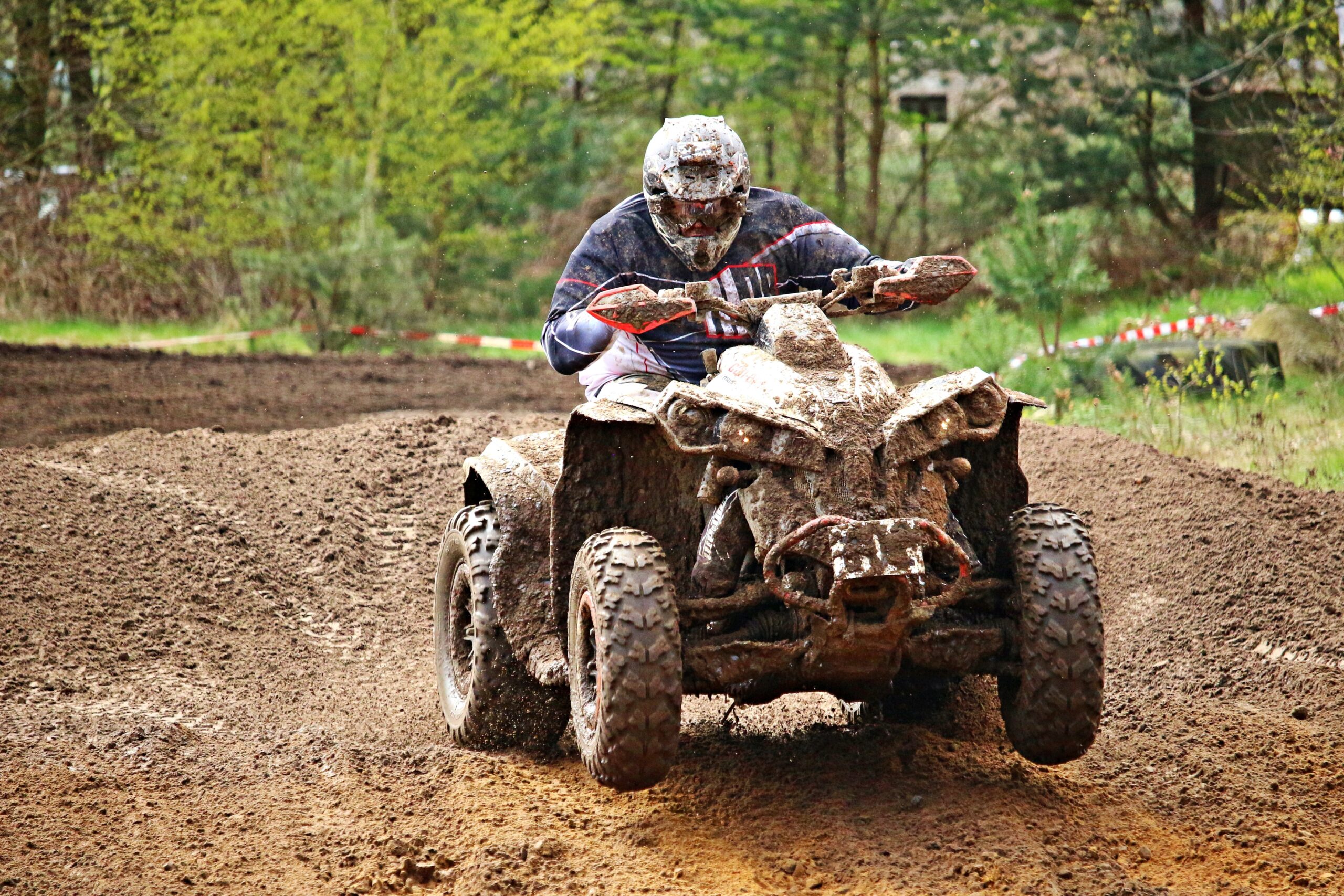
For ATV enthusiasts exploring Australia’s varied terrains, understanding ATV tyre wear patterns is essential. ATV Tyre wear is not simply an aesthetic issue, but they are early warning sign.
Tyre wear tells you what is happening with your tyre pressure, alignment, suspension and even your riding style, often well before performance drops noticeably.
However, these signs are frequently overlooked. By the time uneven wear becomes obvious, it may already be affecting handling and reducing tyre lifespan. Understanding common ATV tyre wear patterns, such as uneven tread wear, sidewall damage, centre wear, one-sided wear and chunking, can help you identify issues early and take action.
At Oceanic Direct, we supply ATV tyres to riders across Australia, and we have seen first-hand how preventable most tyre wear problems really are. In this blog, we explain what ATV tyre wear patterns mean, what causes them and how you can prevent them to keep your ATV running smoothly.
What Are the Different Types of ATV Tyre Wear Patterns?
Tyre wear patterns develop for a reason and reflect how your ATV interacts with terrain, load and mechanical setup. Recognising these patterns early helps diagnose ATV tyre wear problems before they affect performance or safety. Here are the most common tyre wear patterns every rider should know:
Tread Wear (Even vs Irregular Surface Wear)
A consistent ATV tyre tread pattern across the full width of the tyre is a good sign. It means that pressure, load and terrain use are aligned and the ATV is operating under balanced conditions. Even tread wear helps the tyre maintain steady contact with the ground. Even wear supports predictable handling and can improve the overall lifespan of ATV tyres.
In contrast, irregular tread patterns often signal early-stage problems that many riders dismiss. Subtle surface differences can arise from mixed terrain use, inconsistent riding habits or skipped rotation cycles.
If left unaddressed, these variations can develop into more noticeable off-road tyre wear patterns. Early inspection is the simplest way to prevent long-term performance issues.
Sidewall Wear (Structural Damage and External Impact)
Unlike tread wear, sidewall damage is less about gradual wear and more about direct impact. The sidewall absorbs external forces from rocks, debris and uneven terrain, making it vulnerable in off-road environments. Visible abrasions or surface cracking are often the first signs that the tyre’s structural integrity may be compromised.
As damage progresses, bulges or deeper cuts can form, indicating the ATV tyre may be structurally weakened. These defects directly affect how the tyre handles load and pressure during operation. In many cases, sidewall damage is one of the clearest signs your ATV tyres need replacing, as failure in this area can occur without warning during a ride.
Centre Wear (Over-Inflation Pattern)
Wear concentrated in the centre of the tread usually indicates the tyre is over-inflated. Excessive tyre pressure creates a smaller contact patch, so only the middle part of the tyre is touching the ground. This smaller contact patch accelerates wear in that section and reduces the tyre’s ability to handle uneven surfaces.
You will notice reduced grip on loose terrains like sand or gravel, where full tread contact for grip is critical. Over time, this wear pattern in your ATV tyres can lead to more significant performance issues, such as reduced stability and braking effectiveness.
One-Sided Wear (Alignment or Mechanical Issues)
Wear that appears more heavily on either the inner or outer side of the tyre indicates that the tyre is not tracking evenly. This imbalance typically comes from alignment issues or worn steering components, causing the tyre to drag rather than roll cleanly. As a result, one edge experiences more friction than the other during operation.
This is one of the most noticeable ATV tyre issues, as it often coincides with changes in handling. Riders may begin to notice the ATV pulling subtly to one side or needing constant steering correction.
If left unchecked, it can shorten ATV tyre life and place additional strain on other mechanical parts.
Chunking or Tread Tearing (Terrain-Induced Damage)
On rocky or hard-packed terrain, tyres can experience chunking, where sections of the tread are torn or broken away by sharp impact. This usually happens when tyres are not suited to the terrain or pushed beyond their intended use.
Unlike gradual wear, chunking removes portions of the tread, directly reducing traction. As more material is lost, the tyre becomes less effective at holding grip and deteriorates faster with continued use on aggressive terrain.
Common Causes of ATV Tyre Wear
While wear patterns help you identify what’s happening, understanding the underlying causes explains why those patterns develop in the first place. Here are the key causes of ATV tyre wear:
- Terrain Conditions and Surface Type: Different terrains demand different ATV tyres. Soft sand increases rolling resistance, rocky tracks create sharp impacts and hard-packed surfaces generate friction. Using ATV tyres that aren’t matched to the terrain leads to premature wear and reduced durability.
- Riding Style and Driving Behaviour: Frequent hard acceleration, sharp cornering and sudden braking create more friction between the tyre and the ground. Over time, this constant stress accelerates surface degradation. Smoother, more controlled actions help keep the tread intact and lessen unnecessary strain.
- Load and Weight Distribution: Exceeding a tyre’s load rating can affect the uniformity of tyre wear. Carrying heavy gear, tools or towing shifts additional pressure onto certain tyres, especially if the weight is unevenly distributed. This imbalance increases tyre strain during movement and is a key cause of ATV tyre wear.
- Tyre Quality and Material Composition: The quality of ATV tyres significantly affects their wear and longevity. Softer compounds may offer better grip but tend to wear faster, while harder compounds last longer but may compromise traction. Choosing well-constructed ATV tyres matched to your riding conditions makes a measurable difference to both performance and tyre longevity.
How Can You Prevent Excessive ATV Tyre Wear?
Preventing excessive wear comes down to consistent habits and small adjustments that protect your tyres over time. With the right approach, you can reduce tyre stress and significantly extend their usable life.
Maintain Proper Tyre Pressure
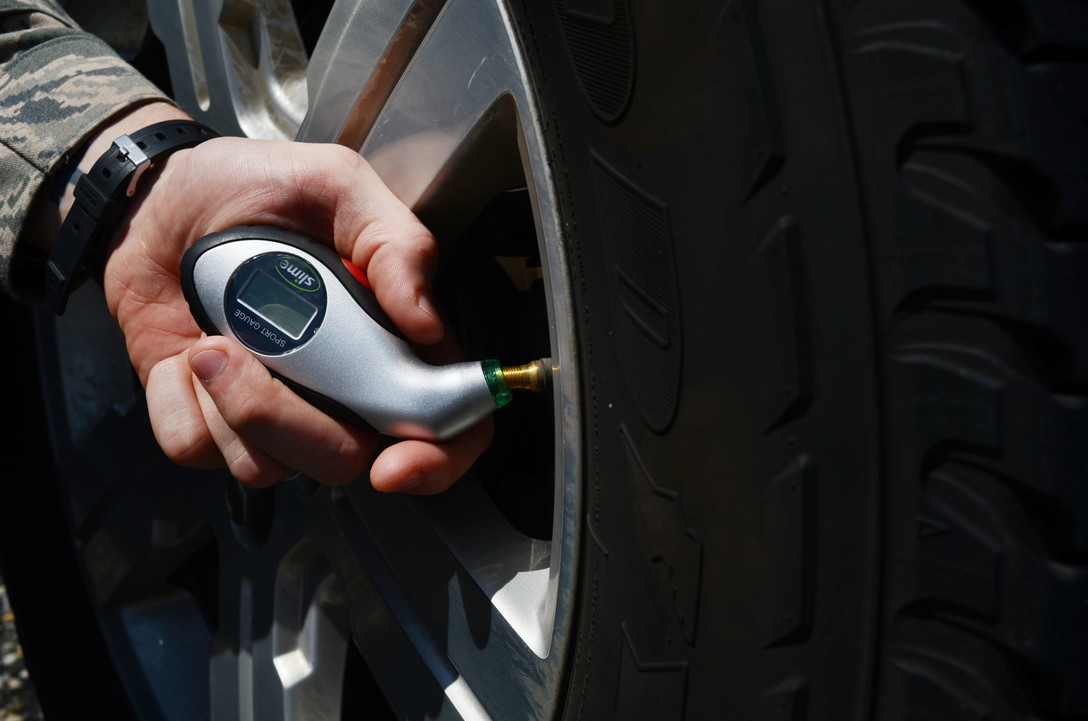
Maintaining correct tyre pressure for an ATV is one of the most effective ways to prevent unnecessary wear. Too little pressure causes the tyre to flex excessively. Conversely, too much pressure restricts adequate contact with the ground. Both conditions cause uneven wear and lower efficiency across terrain types.
A quick pressure check before each ride can make a significant difference. Follow the manufacturer’s recommended PSI for your riding conditions. Correct tyre pressure improves grip, handling and tyre lifespan.
Rotate Tyres Regularly
Front and rear ATV tyres handle different loads and movements, so they wear at different rates. Rotation helps distribute this wear more evenly, preventing one set of tyres from deteriorating faster than the others.
Read more: Tyre Inspection Techniques For Every ATV Enthusiast.
Inspect Tyres for Early Signs of Wear
Regularly checking your tyres for early signs of wear helps prevent more serious problems later. Look for small cracks, surface cuts and subtle irregularities in the tread. These are usually the first indicators that something may be wrong.
Early detection prevents small issues from becoming bigger problems. It reduces the risk of unexpected failures and keeps your ATV running safely without unnecessary downtime.
Adopt Smooth and Controlled Riding Habits
The way you ride directly affects how quickly your tyres wear. Sudden inputs, like hard braking or aggressive acceleration, place extra stress on the tread and increase friction with the ground.
A more controlled riding allows the tyres to maintain steady contact with the terrain. Over time, this lowers strain, improves grip and leads to more even wear across different riding conditions.
Choose High-Quality Tyres for Better Longevity
Not all tyres are built to handle the same conditions, and selecting the right one makes a significant difference. Tyres designed for specific terrains perform more efficiently and experience less unnecessary wear.
Investing in quality tyres means better durability and more reliable performance over time. It also means fewer unexpected failures and more consistent handling across different terrains. Buying ATV tyres from an established supplier ensures reliable performance for real off-road conditions throughout their lifespan.
Understanding common ATV tyre wear patterns, such as uneven tread wear, sidewall damage, centre wear, one-sided wear and chunking, gives you a clear advantage in maintaining performance and safety. These patterns reveal what’s happening with your tyres and help you act before issues escalate.
Keeping tyre wear under control comes down to simple, consistent habits. Regular checks, the right setup, and smoother riding all contribute to longer tyre life and better handling across Australian terrain.
If you want to reduce tyre wear and maintain performance, the tyres you choose matter. At Oceanic Direct, we offer a wide range of reliable ATV tyres from various trusted brands, including Maxxis, BKT, Kenda, Carlisle, Journey, Wanda and Bushmate.
Get in touch with us today to find the right ATV tyres.
FAQs
How often should ATV tyres be replaced regardless of wear patterns?
ATV tyres should generally be replaced every 3 to 5 years, even if wear patterns are not obvious. Over time, the rubber compound degrades due to heat, UV exposure and moisture, reducing flexibility and grip.
Can mixing different ATV tyre brands or tread types affect wear and performance?
Yes, mixing different ATV tyre brands or tread types can affect both wear and performance. Different tyres may vary slightly in size, tread design and rubber compound, which can lead to uneven grip and faster wear. Choosing the best ATV tyre brand for a consistent set helps maintain balanced performance and more even wear.
Do seasonal or weather changes affect how ATV tyres wear?
Yes, seasonal and weather changes can affect how ATV tyres wear. Temperature, moisture and ground conditions all influence how the rubber behaves and interacts with the terrain. Hot conditions can soften the tyre compound, increasing wear, while colder temperatures can make tyres stiffer and reduce grip.
How do Australian terrains impact ATV tyre performance and wear?
Australian terrains have a direct impact on how ATV tyres perform and wear, given their variety and intensity. Soft sand increases rolling resistance and can cause faster tread wear if tyres aren’t designed for flotation. Similarly, rocky or uneven terrain exposes tyres to sharp impacts that can lead to cuts, abrasions or tread damage.
How can you assess ATV tyre quality before making a purchase?
You can assess ATV tyre quality by checking the rubber compound, tread design, construction strength and suitability for your riding terrain. Look for durable materials and tyres designed to handle the conditions you ride in most often.
Related Stories

Pro Tips For Selecting The Best Tyre For Your ATV In Australia
At a glance: Choose ATV tyres based on your main terrain and riding conditions in Australia. Confirm the correct ATV tyre size and fitment to maintain safe handling and ensure proper ground clearance. Match tread ...
How to Maintain Correct Tyre Pressure for ATV, Quad & Dirt Bike Tyres
At a glance: Most ATV tyres run best at 4-8 PSI for safe handling, traction, and tyre life. Check PSI cold with a low-range gauge and keep pressure within the manufacturer’s limits. Adjust PSI slightly ...
Related Posts
ATV Or Quad Bike Tyres – Is There A Difference?
If you are into off-road travelling, ATV and Quad bikes might be a familiar term for you. Maybe you use this word quite often and sometimes interchangeably. But is it technically correct when you use ...