


At a glance:
- Choose ATV tyres based on your main terrain and riding conditions in Australia.
- Confirm the correct ATV tyre size and fitment to maintain safe handling and ensure proper ground clearance.
- Match tread types and tyre construction to mud, sand, or mixed-use requirements.
- Check rim and bead compatibility to support stable pressures and longer tyre life across varied terrain.
If your ATV struggles to grip properly, feels unstable, or the tyres wear too quickly, the issue could be linked to unsuitable tyres. Australia features soft coastal sand, creek beds, compacted bush tracks, rocky farmland, and deserts, which are favourable for recreational and utility ATV riding. These riding conditions can expose tyre weakness if they are not matched to the terrain.
Choosing the right tyres is crucial to ensuring ATV safety, stability, and performance. Different terrains demand specific levels of traction, load support, and durability, and the wrong tyre choice can make riding harder, riskier, and more costly over time.
With different tread types, ply ratings, constructions, and sizes available, tyres that look similar can perform differently on the trail. Poor selection can have safety, performance, and fuel-economy implications.
In this blog, we will discuss the key considerations when selecting ATV tyres to help riders make informed decisions for safer, more consistent performance across Australia’s varied terrains.
What to Look for When Choosing the Right ATV Tyres
It is important to evaluate the technical factors that determine tyre fit, terrain suitability, and long-term durability for riding. Here are some aspects to consider when choosing the right ATV tyres:
Identify Your Riding Terrain and Understand Your Needs
Identify how and where the vehicle is used, such as for farm work, steep bush tracks, soft dunes, or recreational purposes. The right tyre should be terrain-specific, matching the rider’s most common environment. Tread spacing, lug angles, sidewall stiffness, and rubber hardness are engineered to suit different load conditions.
Similarly, climate, soil density, and surface moisture influence which ATV tread patterns and tyre construction styles are suitable. Hard-pack clay tracks favour predictable response and heat stability. Sand ATV tyres need flotation and lower pressures to maintain grip. By considering these conditions early, you simplify your decision and support safer handling over long distances.
The Right Tyre Size and Fitment Requirements
Many riders assume tyre size is similar among ATVs with the same engine size, but that is not the case. When buying new tyres, check their height, width, and sidewall. You need to choose tyres with the same dimensions as your existing tyres.
There are various tyre sizes, each affecting handling and performance in specific ways:
- Smaller Diameter Tyre: Smaller tyres reduce overall speed and increase engine RPM, providing quicker acceleration. A smaller diameter tyre delivers quicker steering response, making it suited to tight trails and precise handling.
- Larger Diameter Tyre: Larger tyres increase overall speed but decrease both engine RPM and hole-shot speed. If the tyre is too large, it can cause stress to other components of your ATV.
- Wider Tyre: Wider tyres increase the amount of tread on the ground, which improves traction. When you use wider tyres, there is a high chance of suspension coming into contact with the parts of your ATV.
- Narrow Tyre: Riding on the narrow tyre will decrease the amount of tread pattern contacting the ground. It works well on hard-packed trails and allows quicker handling.
Read More: Impact of ATV Tyre Size on Performance
Tread Pattern Selection for Australian Terrain Conditions
There are various tread designs to choose from, and the tread you use should be selected based on the terrain you ride on. Different tread types are designed to grip firm land, water, mud, sand, or snow to keep you safe in various conditions.
Here is what to consider when selecting tread patterns and terrain-specific tyres for Australian conditions:
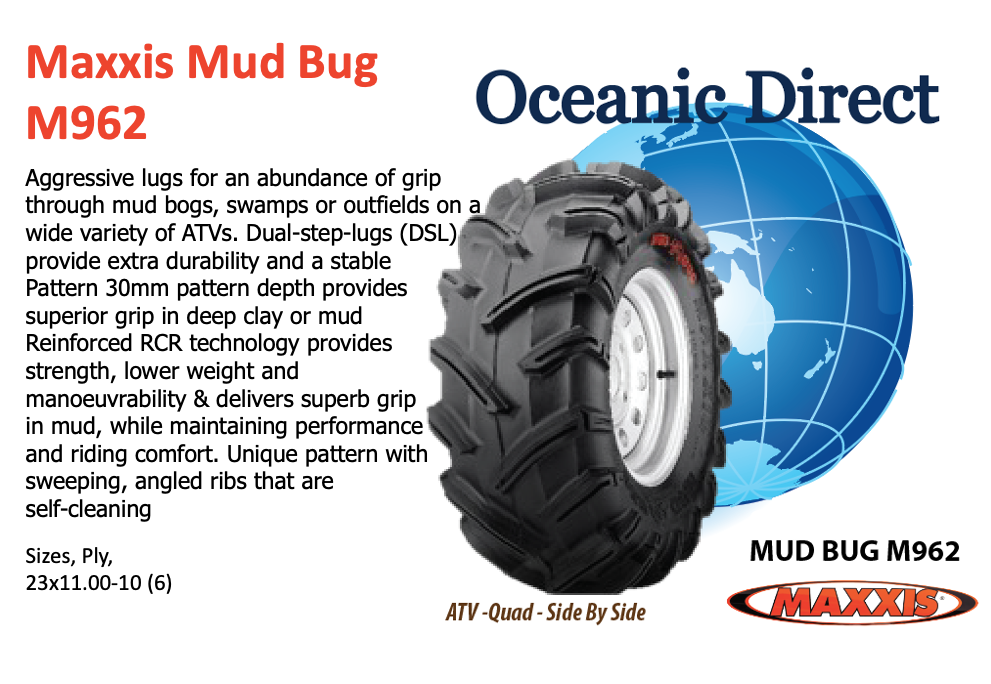
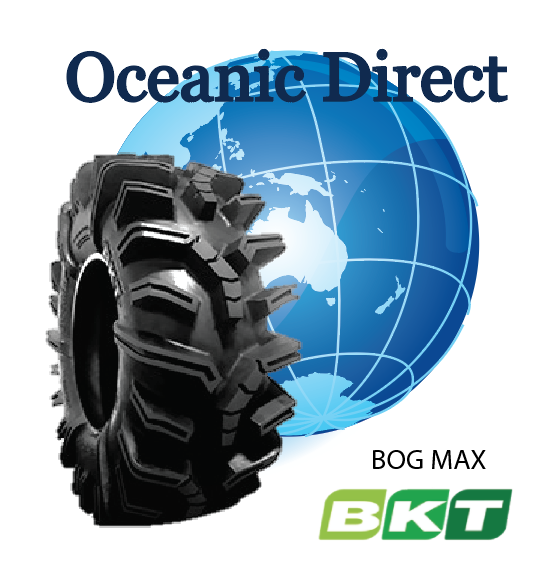
- Tyres for Muddy Conditions: These tyres are directional tyres that are designed to work in the mud. They have angled tread patterns that disperse dirt rather than holding it inside the tread. They commonly feature tread depths of up to 5cm and are easily identified by their wide, aggressive tread patterns. Examples: Maxxis Mud Bug M962 and BKT BOG MAX. To learn more, check out the blog How To Select The Ideal ATV Tyres For Muddy Terrain.
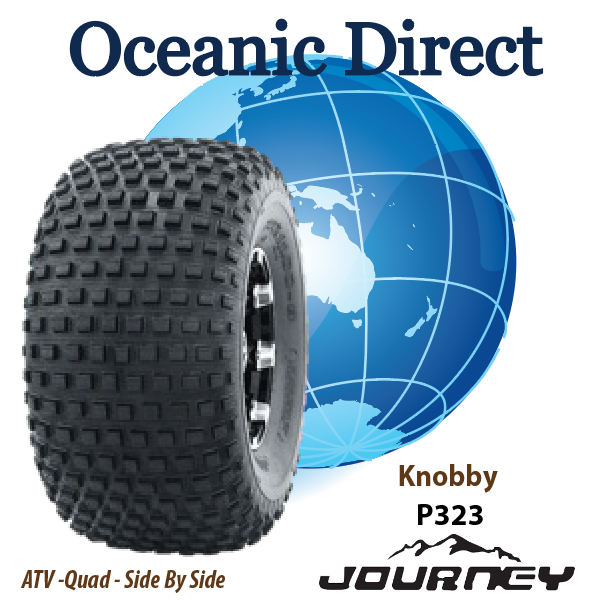
- Tyres fit for Sand Riding: To drive in the sand, your tyres need to float on top of the surface rather than sink into it. These tyres have a raised rib running down the centre of the tyre, which provides reliable traction in the sand. Example: Journey Knobby P323
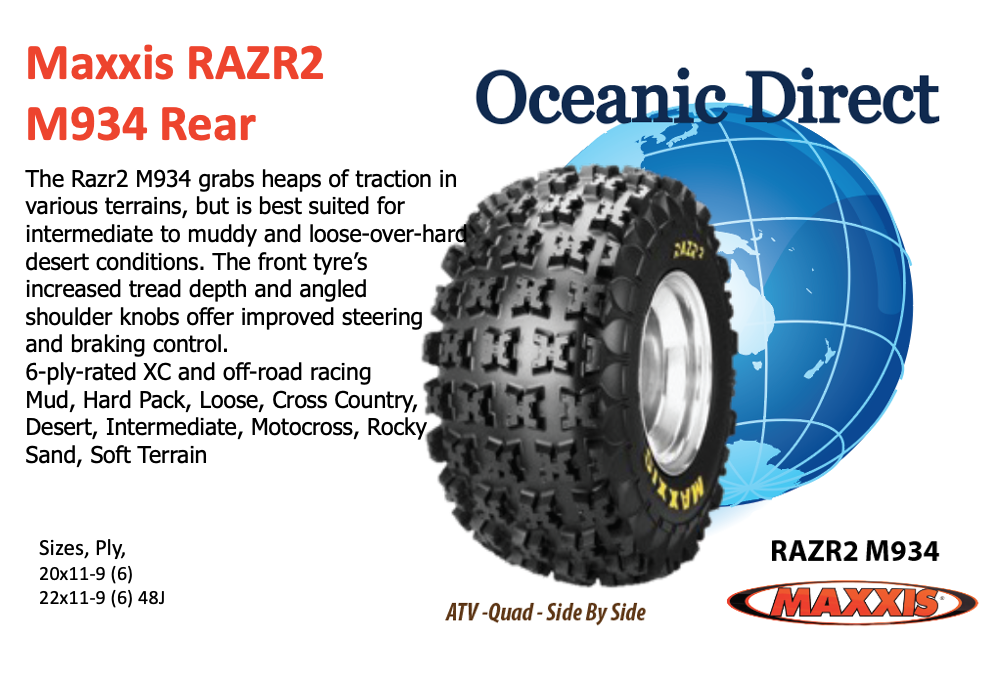
- Tyres for Hardpack Trails: Built to withstand rocky, firm clay, and compact dirt, they offer durability, puncture resistance, and smooth handling. They feature reinforced sidewalls, multi-ply construction, and tighter tread patterns. Example: Maxxis Razr2 M934
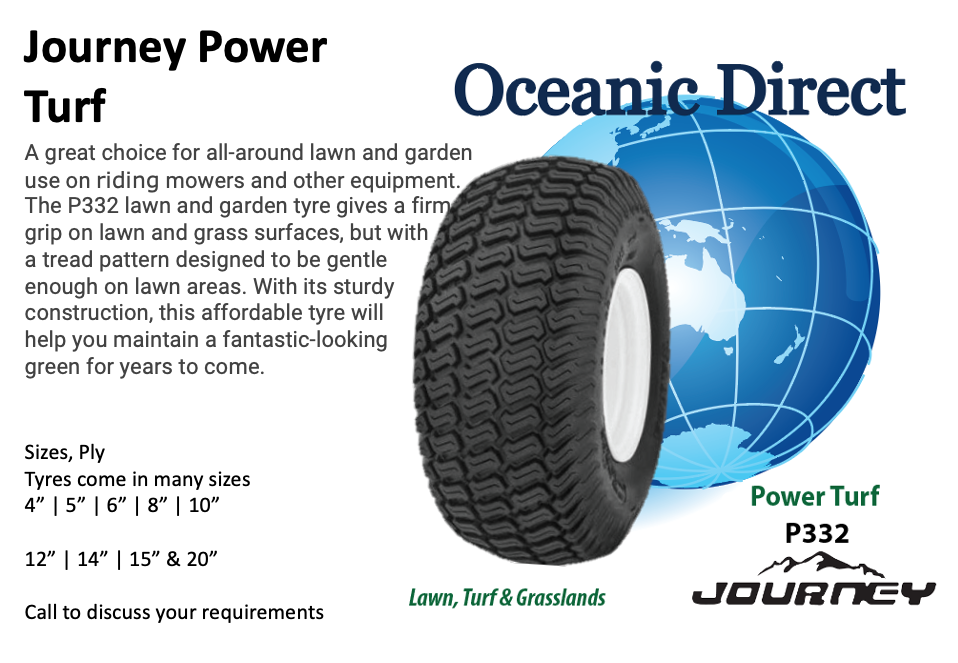
- Tyres Used on Turfs: They are designed for durability, load bearing, and consistent grip on grass, gravel, and farms. They typically have robust construction, thicker sidewalls, and medium-depth tread patterns. Example: Journey Power Turf P332
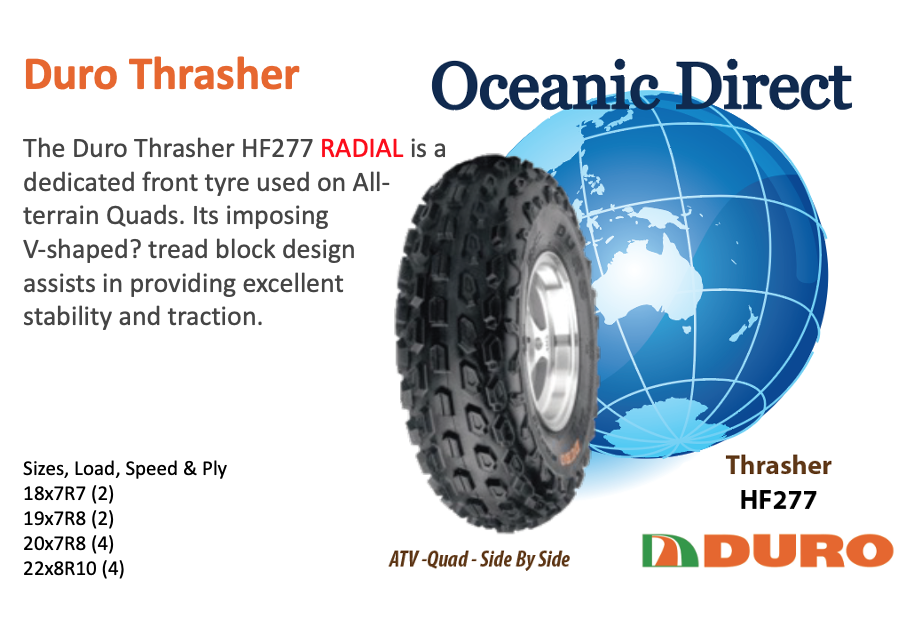
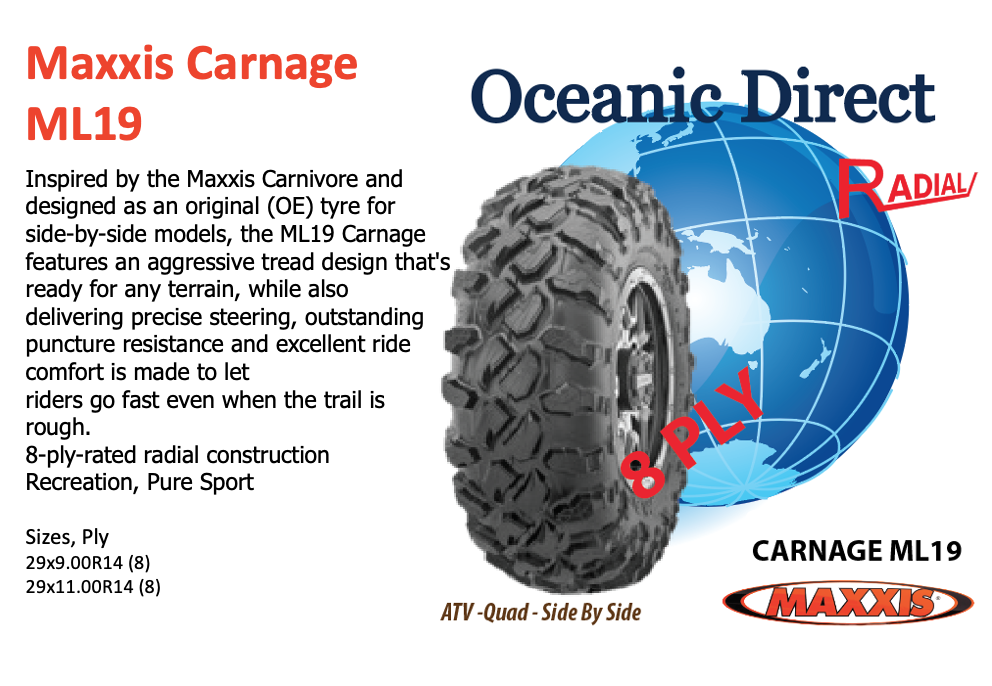
- All-terrain Tyres: Also known as trail tyres, they can handle a range of terrain. Trail tyres have overlapping tread patterns with smaller gaps between the treads. Examples: Duro Thrasher HF277 and Maxxis Carnage ML19
Read More: Best ATV Tyres for Stability & Performance on Mixed Terrains
Tyre Construction: Radial vs Bias Ply
Generally, tyres are constructed in two main ways: bias ply and radial. It is essential to understand the differences between these two methods to achieve the right balance of durability, performance, and ride comfort.
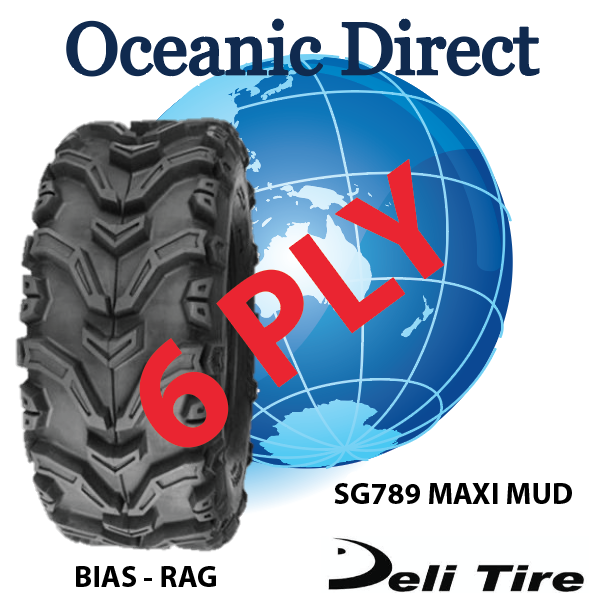
- Bias Ply: Bias ply tyres are constructed with plies or belts that run diagonally from one bead to the other. Their reinforced construction offers reliable durability, making them suitable for areas with sharp edges, hidden stumps, and rough ground. The Deli Tire SG789 MAXI MUD is a bias-ply tyre, often selected for such conditions.
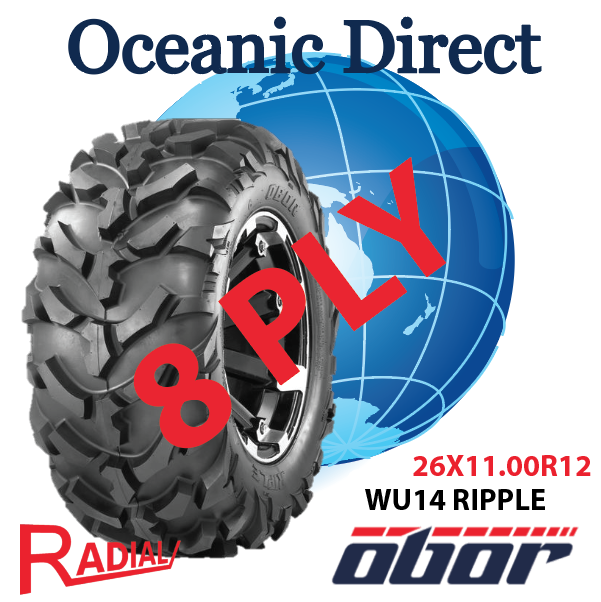
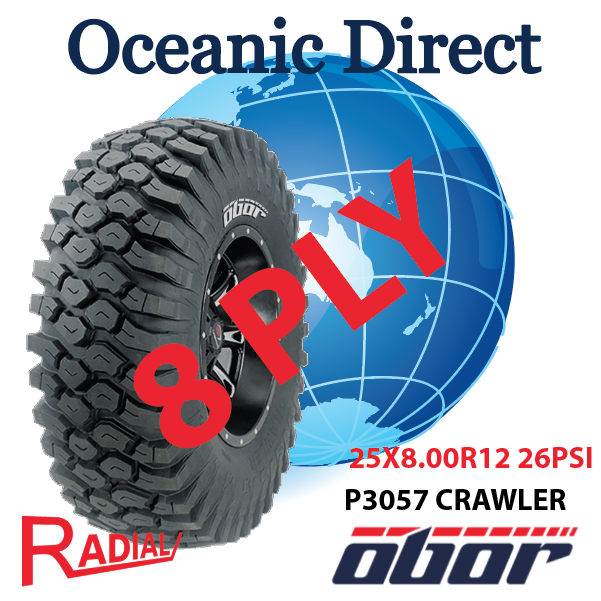
- Radial Ply: Built with steel belts and reinforced layers, they offer high durability and a smoother, more comfortable ride, even under heavy loads. For example, Abor WU14 Ripple and Abor P3057 Crawler are 8-ply radial tyres, suitable for riders prioritising comfort, grip consistency, and longevity.
Read More: Choosing The Right Ply Rating For Your ATV
Ensure Proper Rim Compatibility and Bead Design
Matching ATV rims with the correct bead design is crucial for safe mounting, air retention, and dependable operation on different terrain pressures. Standard rims perform well for general recreational riding. However, bead-lock ATV wheels are often better when you need lower pressures for activities like sand runs, dune riding, creek crossings, or rocky climbs.
Before purchasing, riders should check rim width, offset, and valve alignment. If these do not match correctly, it can lead to uneven wear, unstable handling, or a higher risk of air loss. Choosing the right bead interface also helps the tyres last longer and pairs effectively with puncture-resistant ATV tyres. These tyres are made for tough or isolated areas where breaking down can be expensive or dangerous.
Balancing Budget and Quality
Lower-priced tyres may appear appealing initially. However, thinner casings, weaker materials, and lower load limits can result in faster wear and less grip on unpredictable surfaces. In Australia’s diverse landscapes, strong ATV tyres for bush tracks, sandy access points, and rocky trails usually offer better protection.
When evaluating options, consider the total cost of ownership rather than the upfront purchase price. Heat-resistant compounds, reinforced carcass structures, and quality all-terrain ATV tyres usually offer longer life, fewer punctures, and improved handling. Over time, these features lead to fewer replacements, less downtime, and more consistent ATV safety on the terrains you ride.
Read More: Why Investing In Premium ATV Tyres Can Save You Money In The Long-term
Choosing the right ATV tyres is ultimately about pairing design and construction with the realities of Australian terrain. Once tread pattern, size, fitment, rim compatibility, and tyre build are also assessed against how you actually ride, the decision becomes far more straightforward. With these factors in mind, you are better equipped to choose tyres that deliver consistent performance tailored to your needs.
For riders seeking reliable ATV tyres in Australia, Oceanic Direct offers a selection built for sand, mud, and mixed terrain. Find tyres perfectly suited to local conditions, so every ride stays smooth and safe. Contact us today to find the right fit for your ATV.
FAQs
Should front and rear ATV tyres be the same type or can they differ?
Front and rear ATV tyres can differ, but they should always be compatible in size, tread intent, and load capacity. Many riders use matched sets for consistent handling, but mixing types is acceptable when it supports the terrain and performance needs.
How do weather and seasonal changes affect ATV tyre performance?
Weather and seasonal changes influence tyre pressure, rubber flexibility, and surface traction. Cold stiffens compounds, heat raises pressure, and terrain behaves differently when wet or dry. Regular checks and a suitable tyre choice help maintain safe performance. Always check and adjust your ATV’s tyre pressure to the recommended range to ensure optimal performance.
How often should I replace ATV tyres?
ATV tyres generally need replacing every 3–5 years with regular use, but timing depends on riding terrain and frequency. Replace sooner if you notice worn tread, cracking, bulging, or reduced traction.
Where can I buy the best tyre for my ATV in Australia?
You can buy top-quality ATV tyres for Australian conditions at Oceanic Direct. They offer a wide selection of tyres tailored for mud, sand, hardpack, all-terrain and mixed-use riding.
Related Stories
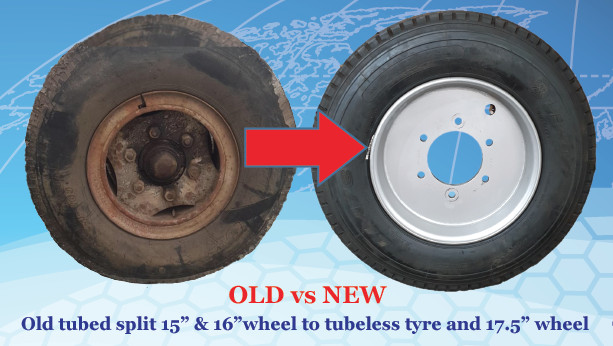
Tube-Type (TT) VS Tubeless (TL) Tyres
Pneumatic tyres come in two main types: Tube-Type (TT) and Tubeless (TL). Because tyre rubber is naturally porous, an extra layer is required to keep the assembly air-tight and maintain the seal between the tyre ...
Made to Order Steel Wheels for Trucks, Industrial and Plant and Equipment
With Many years of experience in the wheel and tyer industry, I’ve been able to assist many customers small and large with their individual wheel requirements. Forklift, Industrial load, Tractors, Farm equipment, Plant equipment and ...
Related Posts
Value Add Wheel and Tyre Purchases – Work With An Expert
Value Add Wheel and Tyre Purchases – Work With An Expert For industrial and hard-wearing recreational vehicle users, selecting the right tyres and wheels can make an enormous difference to vehicle performance, in-use ...